These learning activities were created for the Defining Democracy workshop series. Each activity utilizes materials from the 1619 Project Resource Guide Collection to provide strategies for engaging with 1619 Project materials connected to the workshop themes. The Defining Democracy series is designed to equip educators with resources and strategies for exploring the theme of American democracy in their classrooms and communities.
STRUCTURE
During the “Understanding American Democracy” workshop, educators explored the ways The 1619 Project’s interrogation of American origin stories and myths can help us better understand American democratic history. The activities in this toolkit provide a strategy for engaging with 1619 Project materials and curricular resources connected to the workshop themes.
- The Founding Fathers Activity utilizes the 1619 Podcast to support the interrogation of narratives about the Founding Fathers.
- The Foundational Dates Activity utilizes the 1619 Literary Timeline to interrogate which events we consider foundational to American History and why.
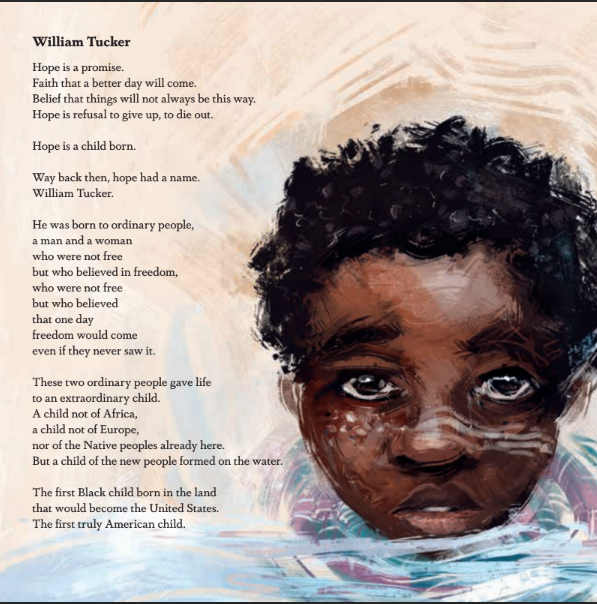
- The National Identity Activity utilizes Born on the Water to interrogate the how and why we choose to define American national identity.
This is an activity using the 1619 podcast to support interrogation of common narratives about the beliefs and actions of the men who drafted and signed the United States founding documents. You can access the podcast episode through The New York Times.
What is a common narrative you have heard about the “Founding Fathers” of the United States?
STEP 1: PRIOR KNOWLEDGE CHECK
- Frame the activity for your participants and ask them, “What is a common narrative you have heard about the “Founding Fathers” of the United States?"
- Document strong responses to the question to reference later
STEP 2: GROUP LISTENING
- Engage with any relevant and useful pre-listening questions from the 1619 Podcast Listening Guide to Episode 1.
- Explain that participants are going to listen to a clip from the section on Thomas Jefferson and the hypocrisies of the founding documents. As they listen, they should consider what does or doesn’t align with the common narrative they shared.
- Play “Episode 1, Democracy”; 14:27 - 19:12
- After listening, facilitate a group discussion about what participants learned and how it does or does not align with the narratives they previously shared about Jefferson and other Founding Fathers.
- Inquire about what follow up questions participants have and what learning they want to do next.
STEP 3: INDEPENDENT EXPLORATION
- Return to the 1619 Podcast Listening Guides and review their structure with participants.
- Share the link to access all each Podcast Listening Guide on the 1619 Education website.
- Use the time stamped list of topics to assign (or allow participants to choose) another podcast clip related to America’s founding/revolutionary period.
- Inform participants that after listening to their clip, they will summarize the information for other participants and share at least one personal takeaway.
- Bring the group together to share learning and complete the activity.
This is an activity using the Literary Timeline in The 1619 Project: A New Origin Story to expand our thinking about which historical events are most relevant to teaching about the United States’ origin story. This activity can also be completed with creative works from the original magazine issue.
Which dates, other than July 4, 1776, do you think are most recognized in our teaching about American history?
STEP 1: PRIOR KNOWLEDGE CHECK
- Frame the activity for your participants and ask them, “Which dates, other than July 4, 1776, do you think are most recognized in our teaching about American history?"
- Explain that during this activity, participants will be engaging with a text responding to a historical event occurring on November 7, 1775.
- Invite the participants to offer ideas about which historical event occurred on that date.
STEP 2: BUILDING CONTEXT
- Use the relevant summary from the 1619 Project Curriculum Guide to frame the literary piece, “1775- Freedom Is Not for Myself Alone.”
- Read the provided summary from The 1619 Project: A New Origin Story.
- Ask participants if they knew the history of Lord Dunmore and Dunmore’s Proclamation before. Discuss how our understanding of the Revolutionary War period changes when this date is included.
November 7, 1775
In the face of a growing Patriot insurgency, Lord Dunmore, the royal governor of Virginia, issues a proclamation offering freedom to all enslaved people held by colonists sympathetic to the Patriot cause in return for their joining the British Army. More than eight hundred enslaved men escape to Dunmore’s lines and enlist, wearing uniforms with the motto “Liberty to Slaves.” Dunmore’s regiment sees action in one major battle and several skirmishes, but smallpox soon decimates its ranks.
Hannah-Jones, Nikole ; The New York Times Magazine. The 1619 Project (p. 124). Random House Publishing Group. Kindle Edition.
STEP 3: GROUP READING
- Read along with Robert Jones Jr. as he reads, “Freedom Is Not for Myself Alone.” (Recording from the “On Remaking History” 1619 artist panel, 04:34-11:49)
- Discuss how the perspective Jones’ creative work offers further expands our understanding of the historical moment.
- Encourage participants to explore another creative work on the literary timeline using this lens of new foundational dates and underrepresented perspectives.
This is an activity using The 1619 Project: Born on the Water to introduce a new perspective on the defining of national identity during the colonial period of United States history.
What is a common narrative you have heard about what it means to be American?
STEP 1: PRIOR KNOWLEDGE CHECK
- Frame the activity for your participants and ask them, "What is a common narrative you have heard about what it means to be American?"
- Document strong responses to the question to reference later.
STEP 2: GROUP READING
- Explain that during this activity, participants will be engaging with an excerpt from the 1619 Project lyrical picture book, Born on the Water, which chronicles the history and legacy of slavery in the United States while engaging with themes of Black American culture, ancestry, and identity.
- Use the relevant summary from the 1619 Project Curriculum Guide to frame the chapter on William Tucker.
- Read the “William Tucker” chapter together as a group.
- Discuss how this framing of William Tucker’s story interrogates common narratives around the means of defining American national identity.

STEP 3: BUILDING PERSONAL CONNECTIONS
- Invite participants to consider the conversations students and other members of the school community have about how they define American national identity.
- Listen to the following clips from educators who facilitated engagement with Born on the Water in two diverse school communities.
- 5th Grade Born on the Water Exploration (Recording from the “Making 1619 Accessible” educational webinar, 24:43-26:19)
- Schoolwide Dual Language Engagement With Born on the Water (Recording from the “Impact on Students and Classrooms” educational webinar, 6:23-8:20)
- Facilitate a group discussion about how engagement with Born on the Water can help cultivate student curiosity about how we define American national identity, and invite students to bring their own cultures, community histories, and perspectives to the conversation.