


Project
Forest for Tycoons
More than 150 companies apply for permits to control millions of hectares of forest areas.
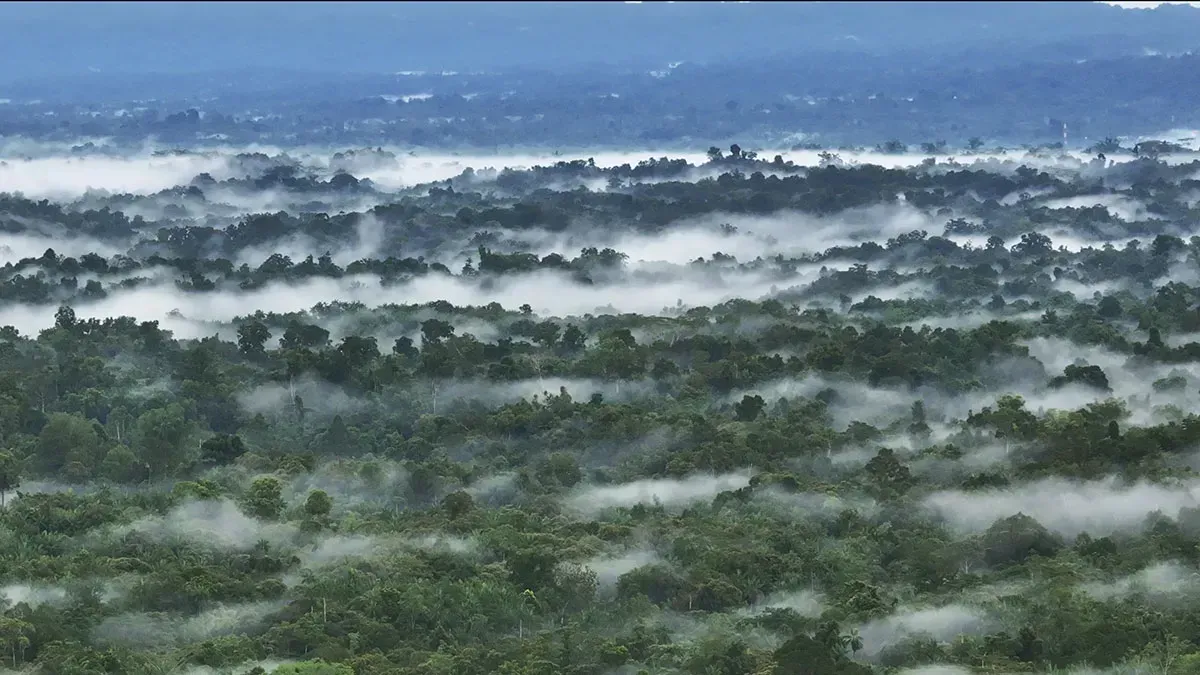
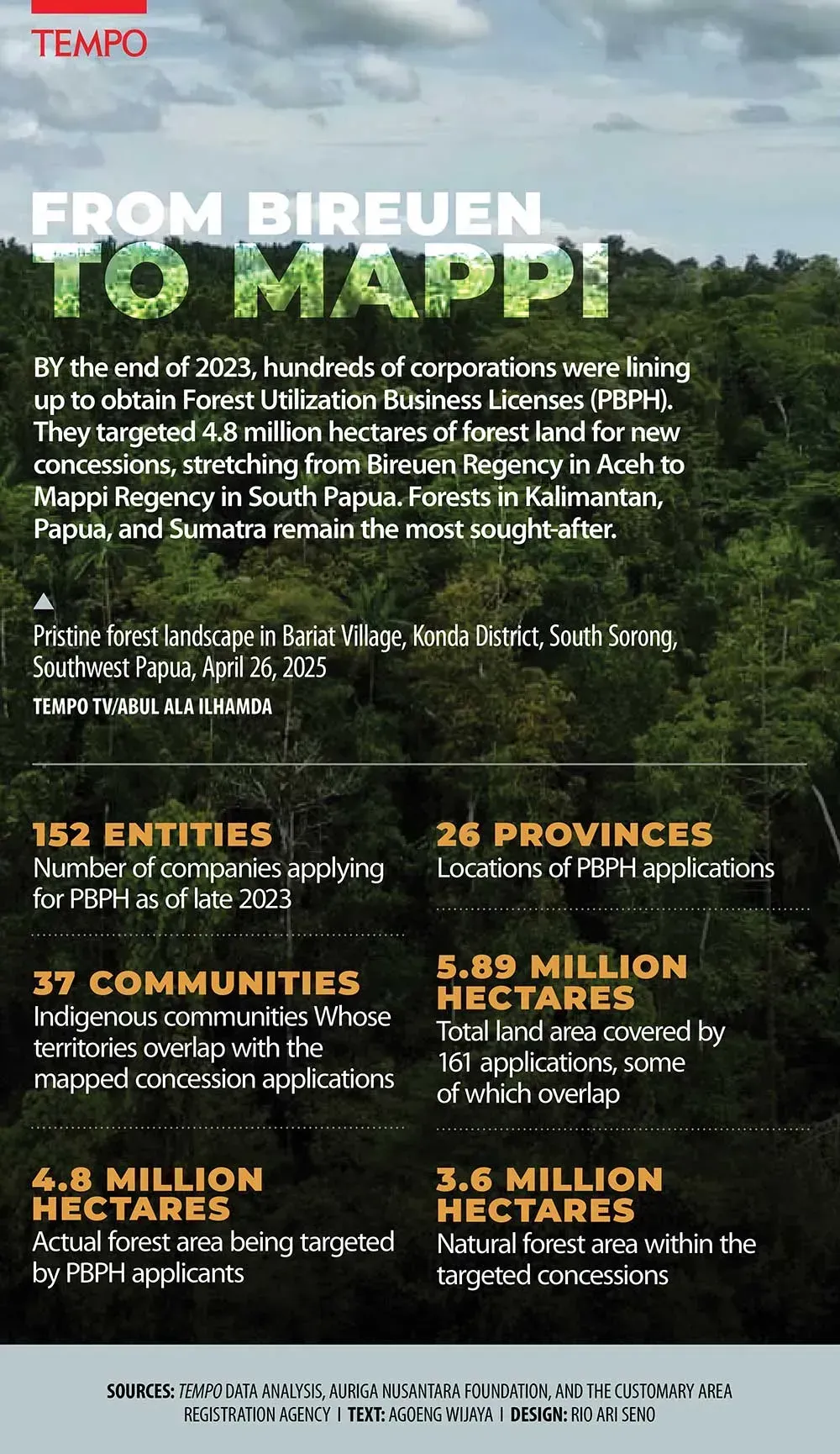
At least 152 companies are competing to control 4.82 million hectares of forest concessions across 26 provinces. Many are tied to networks of land-controlling tycoons.
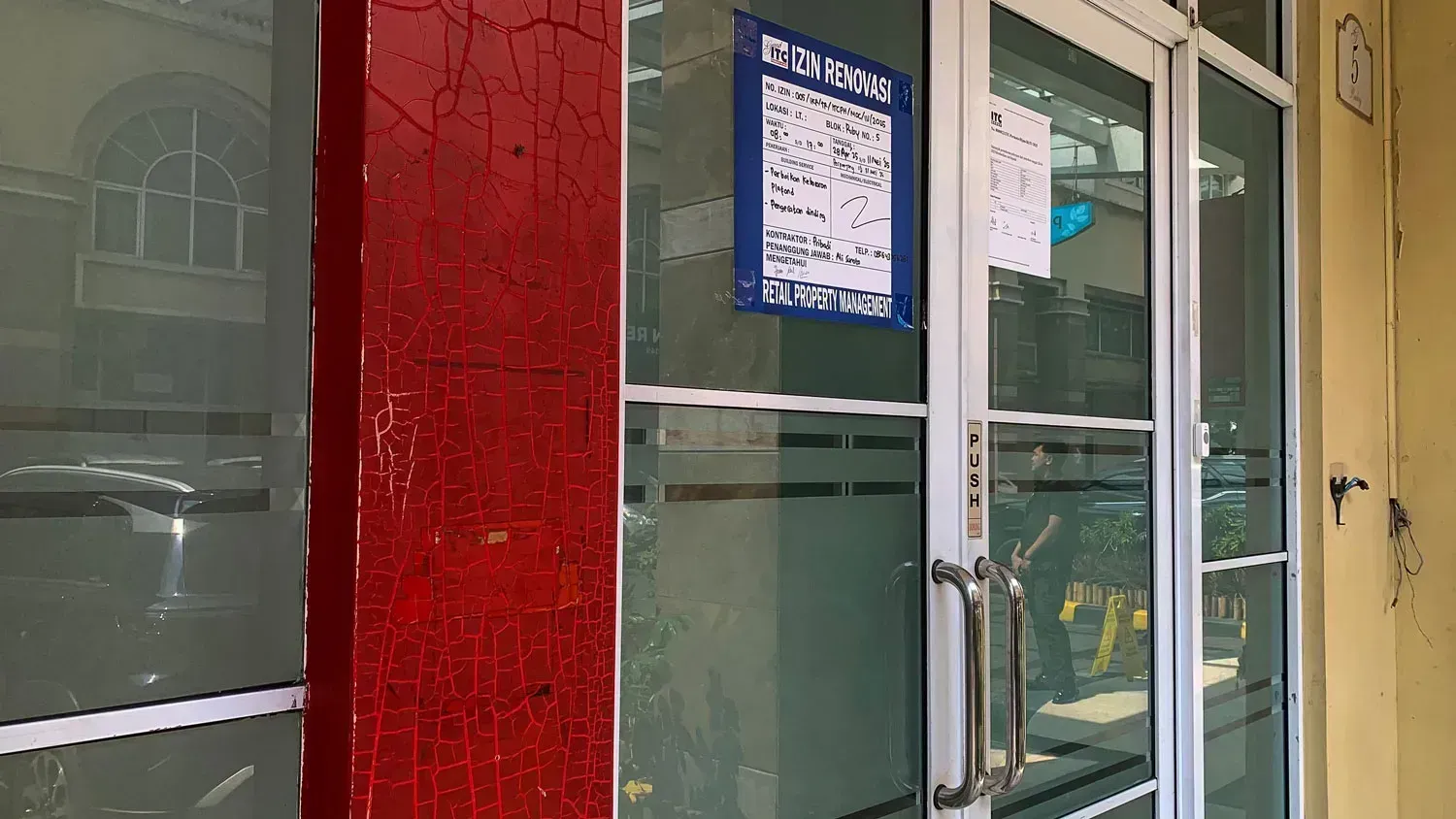
THERE is barely any sign that the office unit in the Ruby Block of the Grand ITC Permata Hijau, South Jakarta, is occupied. Behind the locked door, only a reception desk and a guestbook are visible. The walls are bare, without any logo or company name. Were it not for a renovation permit notice taped to the glass door, no one would know this was the headquarters of Salawati Hijau Lestari (SHL).
“If Mr. Misran isn’t here, he’s usually at Manggala,” said a staffer who emerged from the back room after hearing a knock on the door on Friday, May 23, 2025. Misran is the Director of SHL and a former bureaucrat at the Ministry of Forestry — known informally as ‘Manggala’ after its headquarters at the Manggala Wanabakti Building in South Jakarta. Before retiring in 2022, Misran served as Secretary of the Directorate-General of Sustainable Forest Management.
Salawati Hijau Lestari drew attention recently after hosting a gathering in the Raja Ampat Ballroom at the Aston Sorong Hotel & Convention Center in Sorong Regency, Southwest Papua, on Wednesday, May 14. At the event, the company’s management announced it had secured a Forest Utilization Business License (PBPH) from the Forestry Ministry.

As a nonprofit journalism organization, we depend on your support to fund journalism covering underreported issues around the world. Donate any amount today to become a Pulitzer Center Champion and receive exclusive benefits!
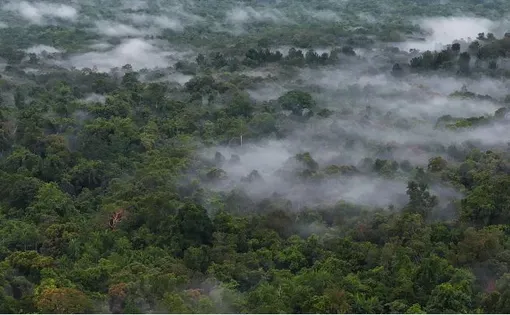
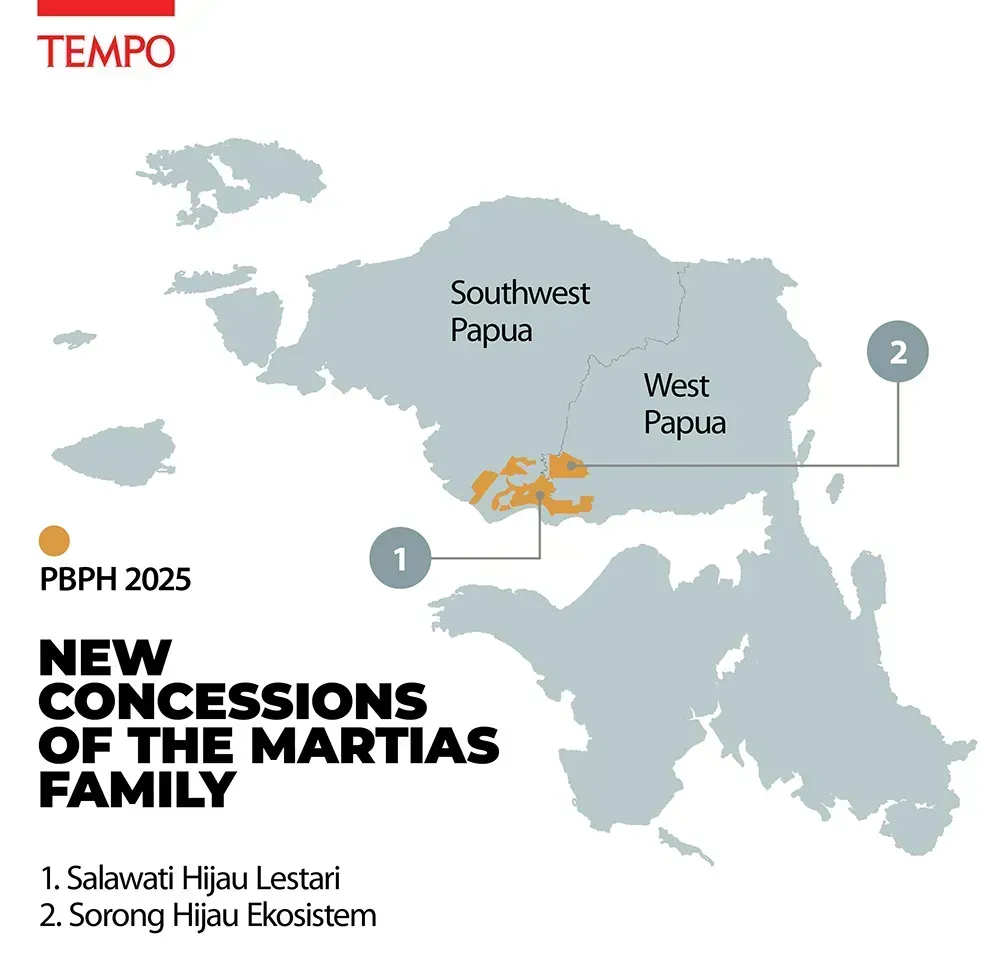
Armed with that license, SHL plans to manage a 78,390-hectare stretch of forest—slightly larger than the entire Jakarta region—located in South Sorong Regency, Southwest Papua. The company’s concession cuts across the districts of Inanwatan, Matemani, Kokoda, and North Kokoda, about 200 kilometers southeast of Sorong City.
Speaking at the public outreach event, Misran emphasized the importance of community support for forests to be sustainable. “That’s why we want the entire utilization process to be transparent and based on a spirit of collaboration,” he said.
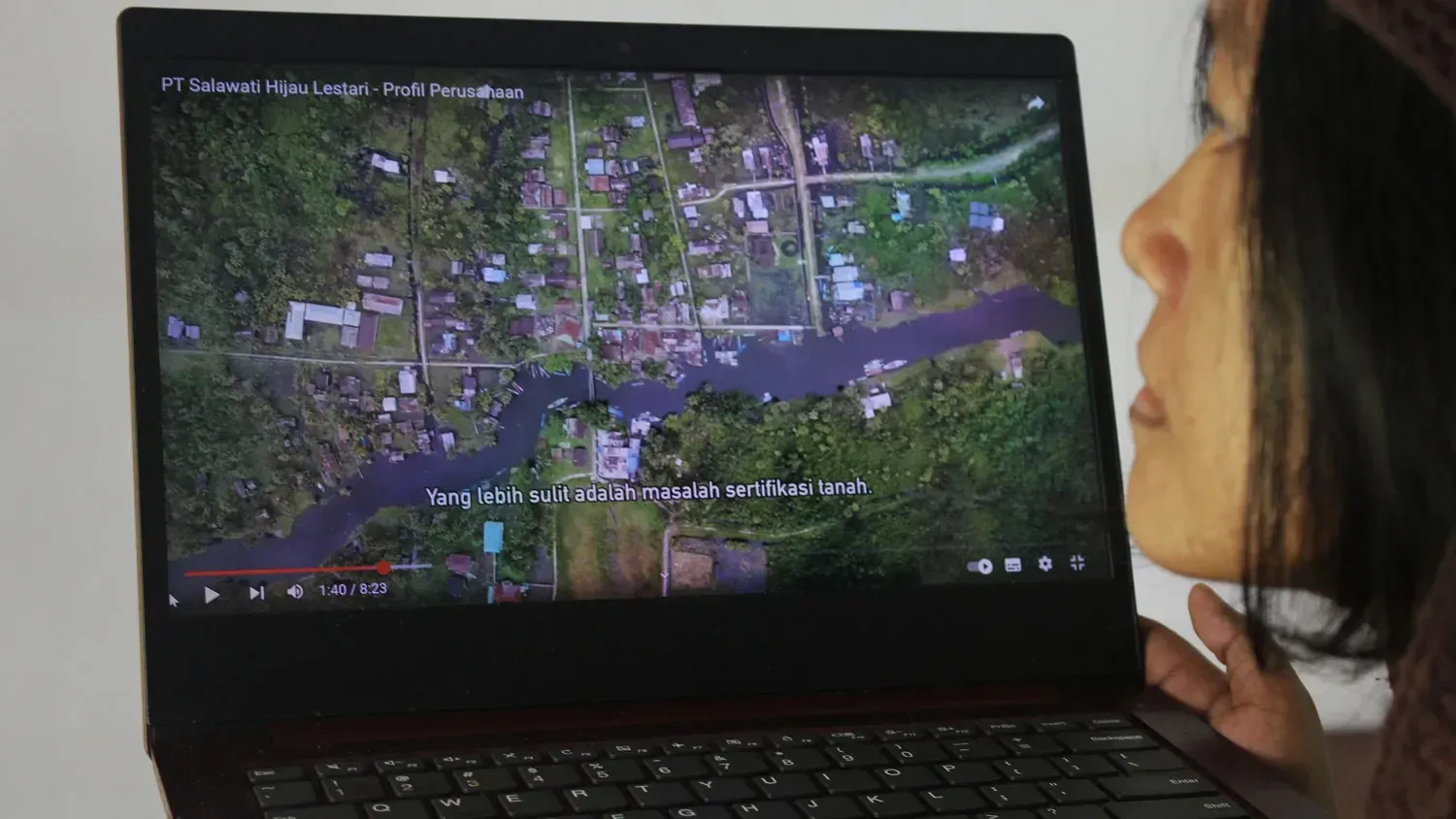
The event appeared to mark Salawati Hijau Lestari’s official emergence into the public eye. Its YouTube channel, @SalawatiHijauLestari, began uploading company profile videos. In the past two weeks, the Facebook account @KitorangJagaHutan—created in January 2025 and bearing SHL’s logo—has started posting visuals promoting the company’s mission.
Until now, SHL had been virtually unknown. Early this year, Tempo obtained data on PBPH applications listing the company among 152 new license seekers. In Southwest Papua, that data shows SHL is not the only applicant. Immediately to the east of its concession lies another application, this one for 100,000 hectares submitted by Sorong Hijau Ekosistem (SHE), located in Bintuni Regency, West Papua Province.
It has since emerged that the Ministry of Forestry issued licenses to SHL and SHE on January 17 and 21, 2025, respectively. While SHL received approval for roughly the same area it initially proposed, SHE’s approved concession was scaled down to 62,130 hectares. Despite holding a valid permit, SHE had yet to make any public appearance as of late May.
Corporate records from the Directorate-General of Legal Administration at the Ministry of Law suggest both companies are controlled by the same actors. Misran is also listed as the director of SHE. The shareholder structure of both SHL and SHE points to a single name: Angelia Bonaventure Sudirman, granddaughter of Martias Fangiono, the tycoon who founded the Surya Dumai Group and later developed First Resources.
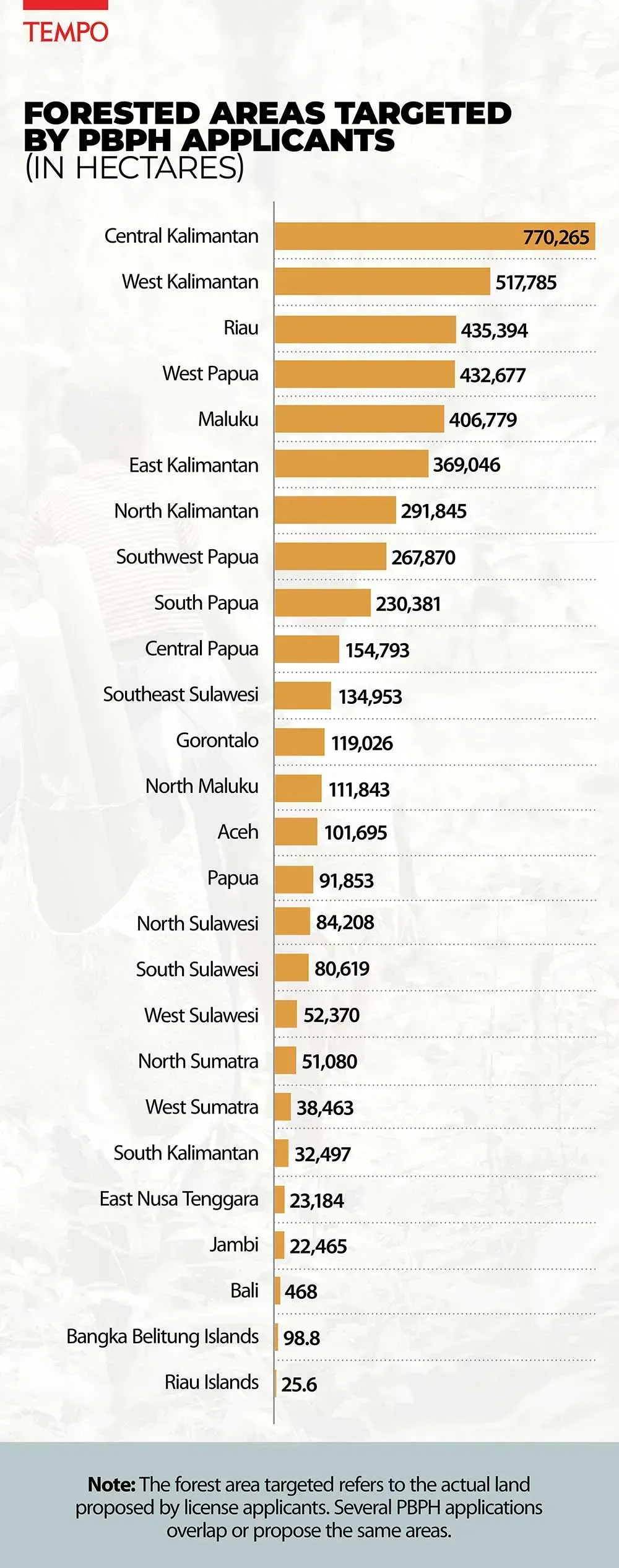
THE leaked data containing the forestry permit queue surfaced earlier this year. It includes a list of 152 companies applying for PBPHs, along with proposed concession maps. In total, the applicants are seeking forestry licenses covering 5.89 million hectares across 26 provinces. However, some of the proposed concessions overlap. As a result, the actual forest area being targeted is 4.8 million hectares—roughly the combined size of West Java and Banten provinces.
In late April 2025, Tempo obtained a second data set listing PBPHs already issued by the Ministry of Forestry, formerly known as the Ministry of Environment and Forestry (KLHK). That list confirms that 26 companies have been granted permits covering a combined 969,400 hectares. Salawati Hijau Lestari and Sorong Hijau Ekosistem are among them.
These two datasets provide important information at a time when forestry permit data is increasingly hidden from public view. Since May 2024, the Ministry of Environment and Forestry Secretary-General Decree No. 31/2024 has classified all licensing processes within the Directorate-General of Sustainable Forest Management as exempt from public disclosure.
“To ensure the smooth completion of PBPH applications,” the decree states. Previously, only business work plans were considered confidential.
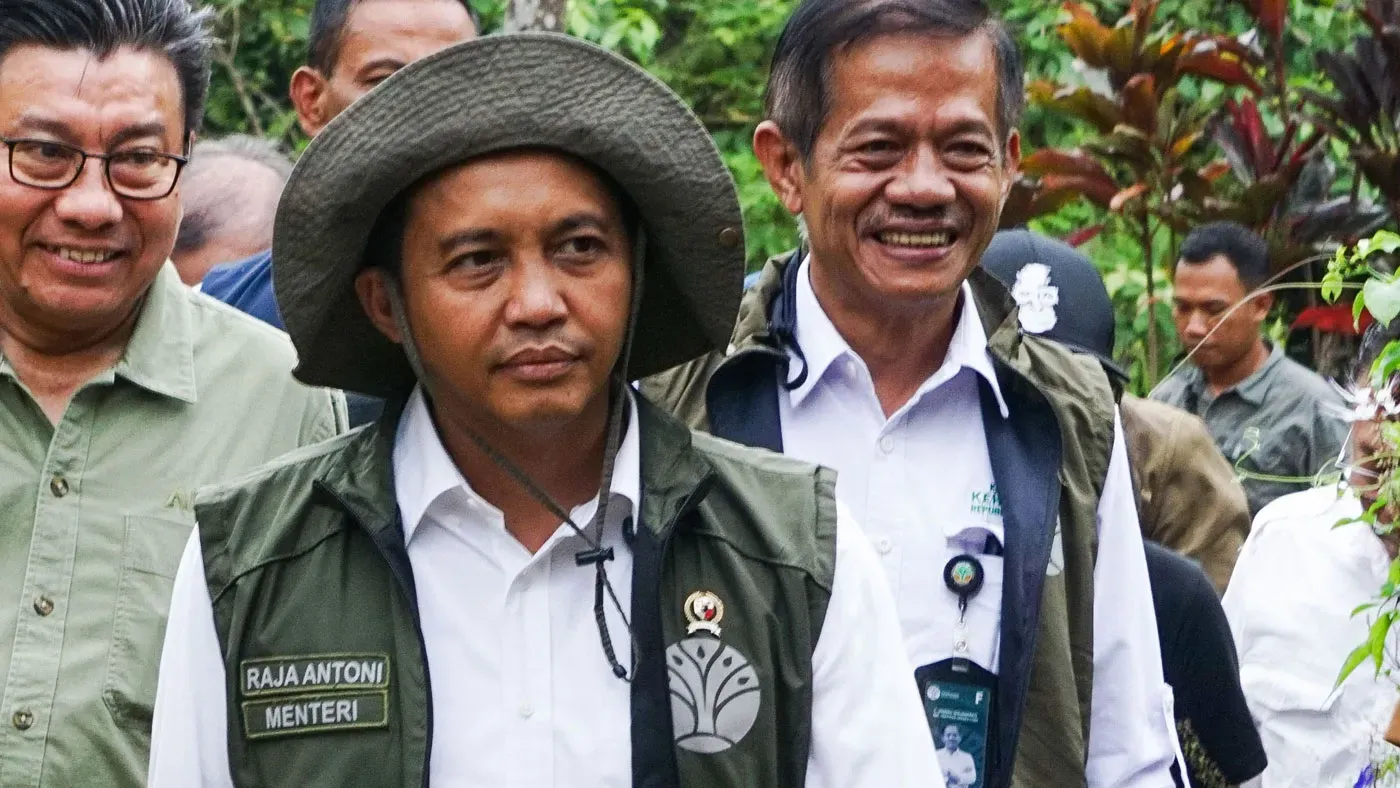
Tempo sent an interview request to Forestry Minister Raja Juli Antoni on Thursday, May 22, 2025. A copy was also delivered to Laksmi Wijayanti, Director-General of Sustainable Forest Management. The letter included a request for clarification and information, along with a list of companies mentioned in both the applicant data and the newly issued permit list.
Laksmi stated that she would process Tempo’s letter requesting clarification. “The Head of the Public Relations Bureau will follow up,” she said on Thursday, May 22. When asked again on Tuesday, May 27, Laksmi said there had been no further instructions from the Minister regarding Tempo’s request.
Raja Juli, meanwhile, has yet to grant an interview. When Tempo caught up with him at the State Palace on Wednesday, May 28, he said he would look into the letter. Asked about the closed licensing process that many considered as favoring corporations over Indigenous communities, Raja Juli Antoni gave only a terse response. “Everything’s just fine,” he said.
Previously, two senior officials within the Forestry Ministry confirmed the data in question. A forestry agency official in one of the provinces where concessions were proposed also acknowledged the presence of the companies listed in both sets of data.
The PBPH is the new nomenclature for forestry licenses as regulated by the omnibus Job Creation Law. The name change is intended to simplify the various types of forestry permits, such as those for timber businesses in natural forests, industrial plantations, or ecosystem restoration activities.
The law not only changes licensing terminology but also expands the types of forest utilization businesses may pursue. Permit holders are now allowed to engage in multiple forestry enterprises, meaning several types of forest uses can be carried out within a single concession. For example, a company holding a plantation forest license that supplies raw material for paper and pulp factories may now also offer environmental services, including carbon absorption and carbon trading.
For the government, multi-enterprise forestry is considered a solution to maximize the economic value of forest areas under concession. For corporate licensees, it opens new opportunities to turn a profit.
However, environmental activists view the new forestry licensing regime under the Job Creation Law as fraught with problems. Anggi Putra Prayoga, Campaign and Policy Intervention Manager at Forest Watch Indonesia, assessed that the lack of public participation renders the licensing process highly vulnerable to co-optation by vested interests.
Even after permits are issued, he said, the public still finds it difficult to monitor forestry business activities. The multi-enterprise scheme makes the sector increasingly opaque, obscuring who is doing what within a concession area.
“Actually, forestry business licenses are classified as high-risk,” Anggi said. “The higher the risk of an industry, the more transparent its governance should be.”
Dedy Pratama Sukmara, Director of Data and Information at Auriga Nusantara, expressed concern over the plan to issue additional forestry permits. As of the end of 2024, PBPH concessions already covered 29.5 million hectares, or one-quarter of Indonesia’s total forest area of 120.33 million hectares.
Forestry concessions have been a major driver of deforestation. Between 2001 and 2024, Auriga recorded the loss of at least 2.8 million hectares of forest cover within PBPH areas. That figure accounts for 25 percent of Indonesia’s total deforestation during the same period.
Dedy warned that granting new permits would further strain Indonesia’s natural forests, which are already under pressure from existing concessions and various government development agendas. He noted that the Forestry Ministry recently launched a 20.6-million-hectare food and energy reserve forest program, of which an estimated 8.6 million hectares remain natural forest. “Yet the government doesn’t appear to be halting the issuance of new licenses to companies,” Dedy said.
His concern stems from the 2025-2034 Long-Term Forest Management Plan. Auriga’s analysis indicates that approximately 8.8 million hectares of forest not yet covered by permits are still allocated for industrial-scale use, such as timber production, non-timber forest products, and environmental services.
“This is very alarming,” Dedy said, “because even natural forests outside designated forest zones are also being threatened by the expansion of plantations, especially for oil palm and bioenergy crops.”
The high risk to natural forests is also evident in the PBPH application data. This investigative reporting collaboration found that roughly 75 percent of the 4.82 million hectares targeted by new license applicants is still natural forest. The proposed concession area of Salawati Hijau Lestari, for instance, includes 69,300 hectares of natural forest.
VIA email, Misran responded to Tempo’s questions —which were also addressed to Angelia Bonaventure Sudirman. Misran confirmed that Salawati Hijau Lestari and Sorong Hijau Ekosistem submitted applications for Forest Utilization Business Licenses in March 2022, and that the licenses were granted in January 2025. He stated that both companies were licensed to conduct environmental services and non-timber forest product operations. “We are committed to sustainable growth by conserving nature and the environment,” Misran said.
According to him, the company is currently preparing a Forest Utilization Business Work Plan and a Climate Change Mitigation Action Plan. Through these mitigation efforts, he said, the company aims to significantly and measurably absorb and store carbon. “So it can be traded via carbon offsets.”
Misran said SHL teams had begun activities in local villages and districts, including surveys, focus group discussions, and the process of obtaining Free, Prior, and Informed Consent (FPIC). “Our commitment is to build trust through honest dialogue and productive collaboration,” he said.
SHL has indeed started to establish a presence in villages located within its concession area. On Monday, May 26, 2025, the company held a meeting in Puragi village, Matemani District, South Sorong, to present its business plans. Puragi is one of three villages in the district partially overlapped by SHL’s concession. The other two are Bedare and Saga. The western block of the concession stretches southward into Inanwatan District, covering the villages of Odeare, Isogo, and Mate.
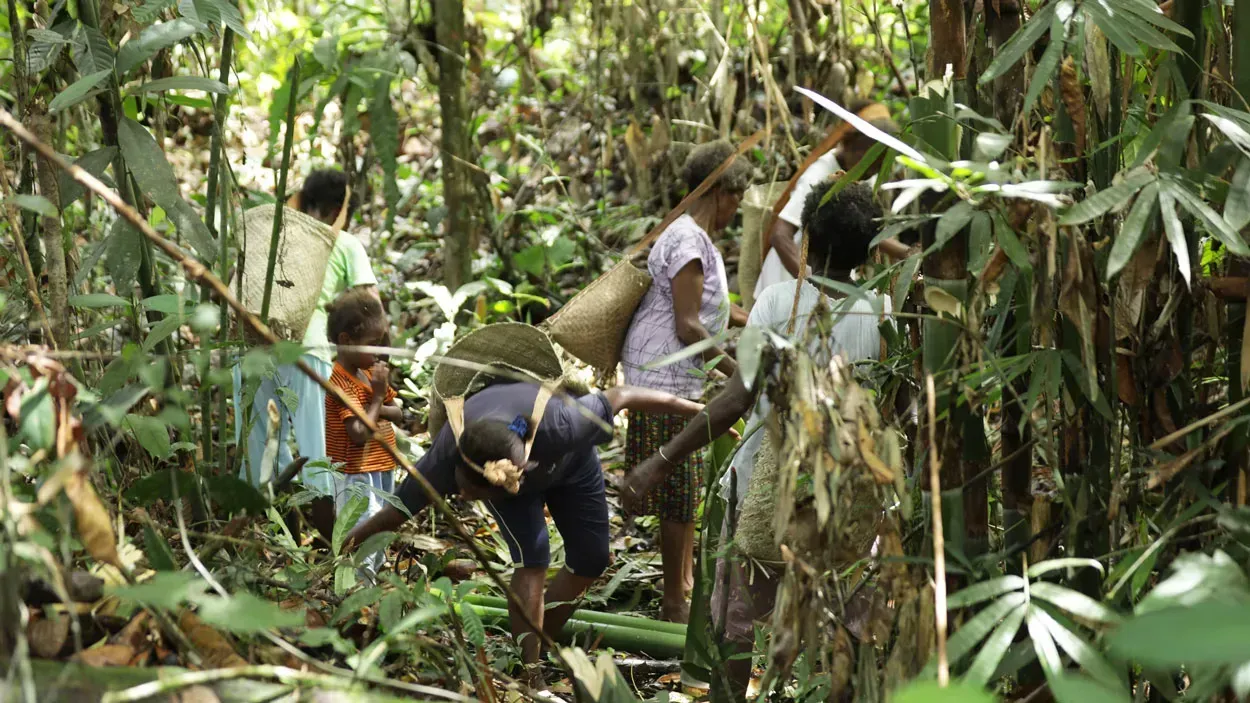
Hendrik Gue, a resident of Puragi and a representative of the Gue clan from the Iwaro sub-tribe, said he could not yet assess SHL’s plans. In his view, the community would not object to investment as long as the company developed the village economy and did not destroy the forest. “But honestly, we’re still traumatized,” he said, “because the issues with the oil palm company on our customary land still haven’t been resolved.”
The oil palm company Hendrik referred to is Permata Putera Mandiri. For the past decade, the indigenous people of the Iwaro sub-tribe have been locked in conflict with the oil palm plantation owned by Austindo Nusantara Jaya (ANJT). “Our sago forests were cleared,” Hendrik said. “Now deer, kangaroos, and cassowaries are getting harder to find.”
Hendrik was unaware that ANJT had recently been acquired by First Resources, a business group led by Ciliandra Fangiono, son of Martias Fangiono, who ranks 24th on Forbes’ list of Indonesia’s richest people. First Resources completed the acquisition of 91.17 percent of ANJT shares for Rp5.54 trillion (around US$337.8 million) on May 6, 2025.
Tempo sent a request for clarification to First Resources, including a list of questions about the group’s ties to the two companies owned by Angelia Bonaventure Sudirman, via the contact form on its corporate website. As of this report’s publication, there has been no response from First Resources.
In its written reply, Salawati Hijau Lestari also did not give a clear answer regarding Angelia’s ties to the Martias Fangiono family or her shareholding in the company. Misran responded to a follow-up question from Tempo on the matter. “Ms. Angelia’s role, duties, and responsibilities at SHL and SHE are not affiliated with any business group,” he said.
DEAR readers, this week’s Tempo cover story is not just about the long queue of requests for Forest Utilization Business Licenses and the issuance of new forest concessions in South Sorong. Across other regions, corporations seeking new concessions mirror the profiles of Salawati Hijau Lestari and Sorong Hijau Ekosistem. They are allegedly affiliated with business conglomerates and eyeing forest areas as a new profit frontier in the era of climate crisis mitigation.
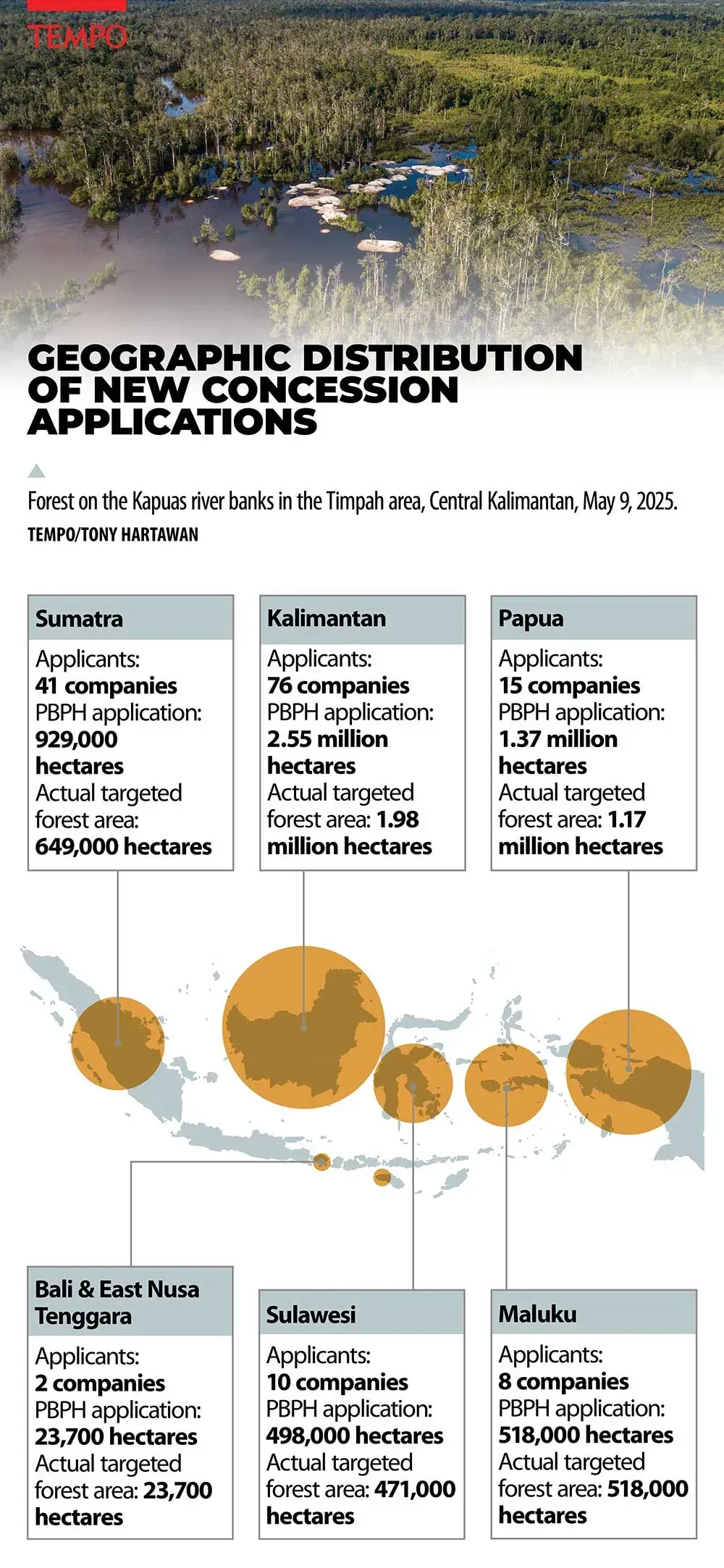
In Kalimantan—home to the largest proposed concession areas—several PBPH applicants are believed to be linked to major groups such as Triputra, Integra, and Harita. A number of firms holding newly granted permits are also reportedly partnering with corporate giants. One example is Nusantara Raya Solusi, which is exploring a joint venture with a family member of Eka Tjipta Widjaja, the founder of the Sinar Mas Group, to launch a carbon project in Central Kalimantan.
Data on new permits for 26 companies applying for concessions suggest many are aiming to develop carbon-based businesses. They are applying the multi-business forestry scheme, combining non-timber forest product enterprises with environmental service management—an umbrella for carbon absorption and trading activities.
Carbon credits, in fact, are not new to the forestry sector. More than a decade ago, a number of companies pioneered this business model by obtaining ecosystem restoration permits. But in recent years, inconsistent policy during President Joko Widodo’s second term left the nascent industry in limbo.
Now, the new administration seems to be taking a different path. The National Medium-Term Development Plan 2025-2029, signed by President Prabowo Subianto on February 10, 2025, outlines government plans to optimize the economic value of carbon and boost the forestry sector’s contribution to gross domestic product.
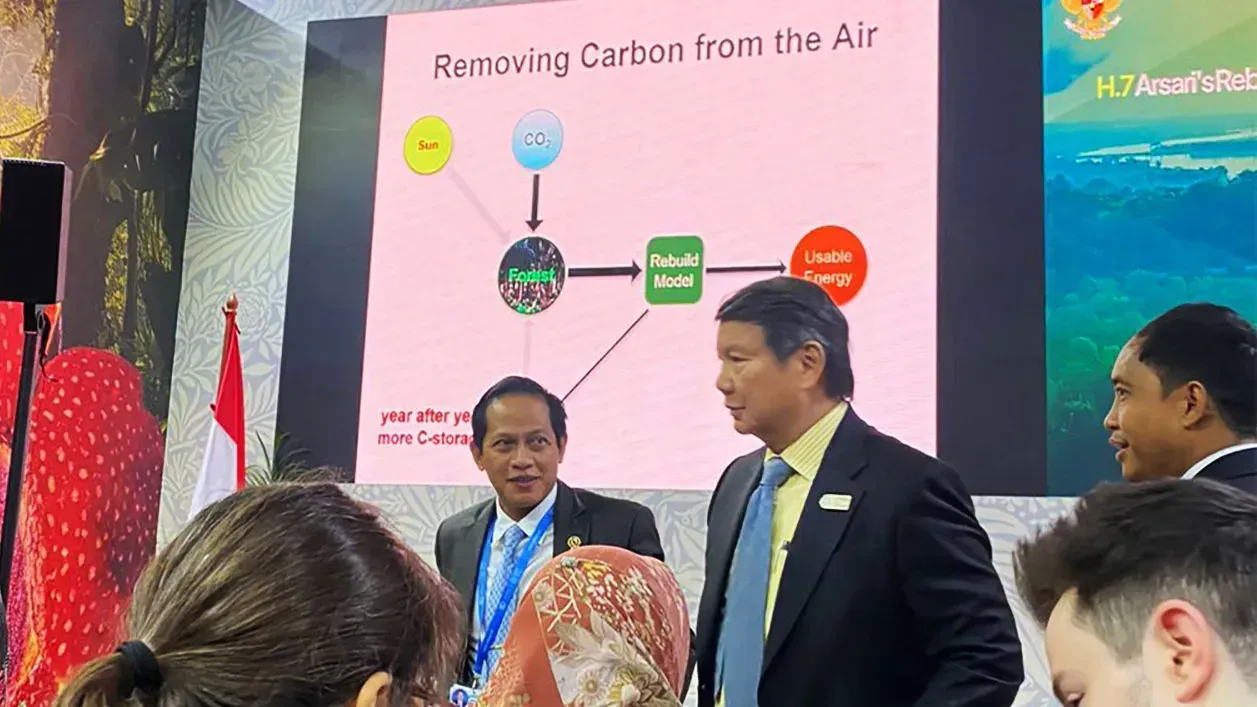
Earlier, at the 29th UN Climate Change Conference (COP29) in Baku, Azerbaijan, on November 11, 2024, President Prabowo’s Special Envoy for Climate and Energy, Hashim Djojohadikusumo, said the Ministry of Environment was finalizing a reassessment of Indonesia’s 600 million tons of carbon stock. “We hope to offer it to the world in the coming months,” said Prabowo’s younger brother.
When Tempo met with Environment Minister Hanif Faisol Nurofiq on Wednesday, April 16, 2025, he was tight-lipped about the surge in PBPH applications. The former Director-General of Forestry Planning under Minister Siti Nurbaya Bakar declined to be quoted directly.
He would only discuss the Ministry’s efforts to establish a carbon trading mechanism for the forestry and other land use (FOLU) sector. “Soon there will be a highly dynamic carbon trading market,” Hanif said in a follow-up interview on Friday, May 9.
Yet once again, Tempo’s investigation found that the market — touted as part of global climate change mitigation — has already been infiltrated by a network of forestry, oil palm, and mining conglomerates.
Project Head: Agoeng Wijaya | Writers: Agoeng Wijaya, Fachri Hamzah | Contributors: Yohanes Paskalis, Gamaliel M. Kaliele (Sorong), Maria Baru (South Sorong) | Editors: Agoeng Wijaya, Dody Hidayat | English Editor: Luke Edward | Photographer: Tony Hartawan | Spatial Data Analysis: Andhika Younastya (Auriga Nusantara) | Multimedia: Krisna Adhi Pradipta, Rizkika Syifa, Rio Ari Seno, Novandy Ananta.