

This thematic guide was created as a resource for the 1619 Global Connections Series. It highlights 1619 Project materials, Pulitzer Center journalism, and curricular resources connected to the theme of Legacies of Slavery in AI. The 1619 Global Connections Series was a professional development series designed to equip educators with resources and strategies for connecting themes from The 1619 Project to underreported stories on pressing global issues.
STRUCTURE
During the Legacies of Slavery in AI Global Connections Workshop, educators explored ways to use The 1619 Project, other journalism projects, and creative tools to engage students in critical thinking about the connections between AI accountability and racial justice. Educators engaged with the question of how journalism can help students investigate the benefits and harms of the technology around them? This digital version of the Global Connections Series audience guide showcases the resources curated for the workshop and supports educators' continued exploration of the same question.
- The Questions for Consideration section includes questions developed for audience reflection and discussion during the workshop.
- The 1619 Materials section highlights individual essays, creative works, and digital media from The 1619 Project related to the theme of Legacies of Slavery in AI.
- The Pulitzer Center Journalism section includes the stories used to anchor the workshop conversation and other tools to support AI accountability reporting.
- The Curricular Resources section spotlights lesson plans and other instructional material related to the theme of environmental racism.
The questions below can support educator reflections about why AI accountability can be a critical issue to explore with students and the important role journalism can play in that exploration. Educators new to The 1619 Project can also explore our Tips for Teaching 1619 to support utilization of these resources in a way that connects and empowers all students in the learning environment.
BEFORE RESOURCE EXPLORATION
AFTER RESOURCE EXPLORATION
These materials from The 1619 Project can be used to help students think critically about the ways in which the development and deployment of certain AI tools connects to legacies of slavery including the theft and minimization of Black art, the surveillance of Black communities, and the commodification of Black people’s bodies. The highlighted materials are not an exhaustive list and should be used as supplementary to other learning tools. Educators can find detailed resource guides for these and most 1619 Project materials in our 1619 Project Resource Guide Collection.
FROM THE ORIGINAL PUBLICATIONS IN THE NEW YORK TIMES MAGAZINE
The focus story below is the one highlighted as a part of the Legacies of Slavery in AI Global Connections workshop. The journalist conversation about this reporting is available as a Webinar On Demand. You can find additional reporting related to this issue at pulitzercenter.org.
FOCUS REPORTING

INFORMATION & ARTIFICIAL INTELLIGENCE PROJECT
Are AI Hiring Tools Racist and Ableist?
If the speech-to-text transcription process produces a significantly higher “Word Error Rate” (WER) for speakers with accents or speech impairments versus native speakers without speech impairments, this may lead to applicants getting unfairly rejected.

INFORMATION & ARTIFICIAL INTELLIGENCE PROJECT
Peering Into the Black Box
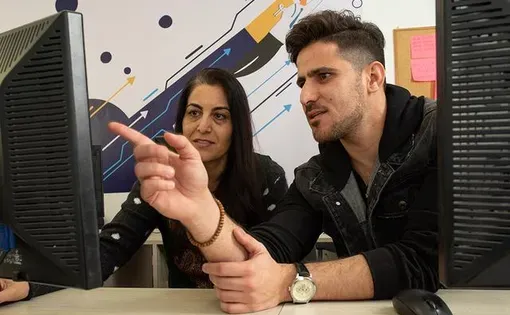
How one company’s AI surveillance tool helps colleges nationwide monitor protests.
INFORMATION & ARTIFICIAL INTELLIGENCE PROJECT
AI Colonialism
The AI supply chain often concentrates power into the hands of wealthy nations.
ADDITIONAL RESOURCES

HUMAN RIGHTS TOPIC
Racial Justice Reporting
The Pulitzer Center is committed to supporting journalism that addresses systemic racism in the U.S. and around the world, while telling stories of resilience and creative solutions.

FOCUS AREA
Information and Artificial Intelligence
The Pulitzer Center's Information and Artificial Intelligence (AI) initiatives support journalism and audience engagement on in-depth AI accountability stories that examine governments' and corporations’ uses of predictive and surveillance technologies to guide decisions in policing, medicine, social welfare, the criminal justice system, hiring, and more.
RESOURCES
Reporting Toolkits & Methodologies
Explore methods and tools used by Pulitzer Center fellows and grantees that can serve as blueprints for your Information & AI reporting projects.
These curricular resources are curated from the lesson libraries on the 1619 Education and Pulitzer Center websites. The resources can support classroom engagement with either 1619 Project material or Pulitzer Center supported journalism connected to the key focus area. The curricular resources can help strengthen skills such as critical thinking, media literacy, communication, and empathy.
FROM THE 1619 EDUCATION MATERIALS COLLECTION
HUMAN RIGHTS UNIT PLAN
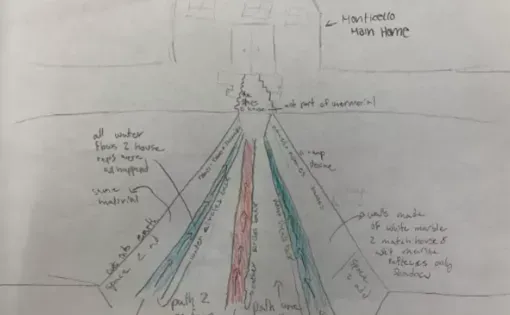
Paying Tribute
How could a memorial recognize and remember the role of enslaved people in making the United States a wealthy and powerful country?
HUMAN RIGHTS UNIT PLAN
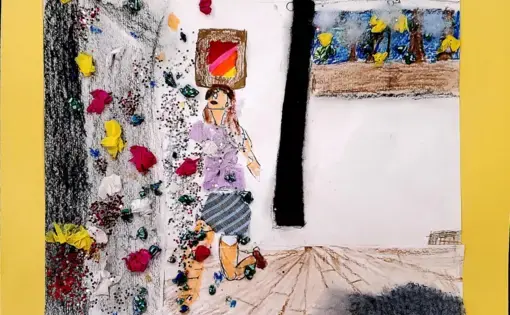
Composition, Context, Representation, and Reality
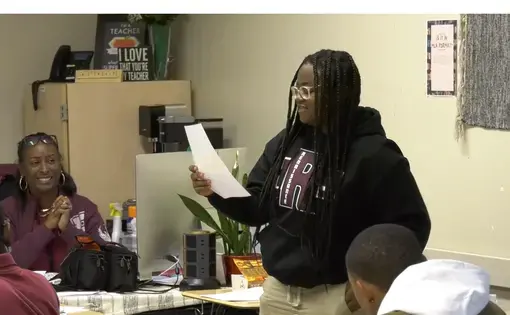
Students explore how composition conveys meaning imbued with the point of view of the composer. They apply this learning to explorations of local history, primary sources, poetry, and art projects.
HUMAN RIGHTS UNIT PLAN
Literacy and Liberation
Students examine the relationship between literacy and liberation by learning about multiple modes of literacy and analyzing examples of how literacy has been used to empower and advocate across time.
HUMAN RIGHTS UNIT PLAN
Afrofuturism Then and Now
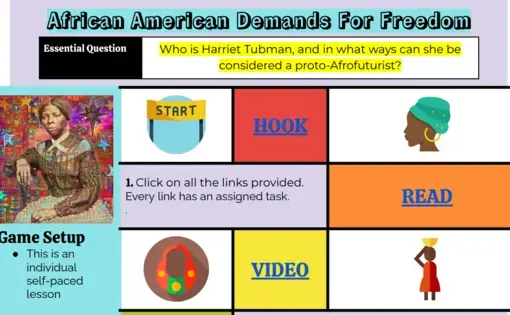
Students learn and write about Black history and culture through the lens of Afrofuturism, which creatively illuminates past and present realities, and imagines liberated Black futures.
HUMAN RIGHTS UNIT PLAN
Untold Stories: First and Second Grade Story Quilts
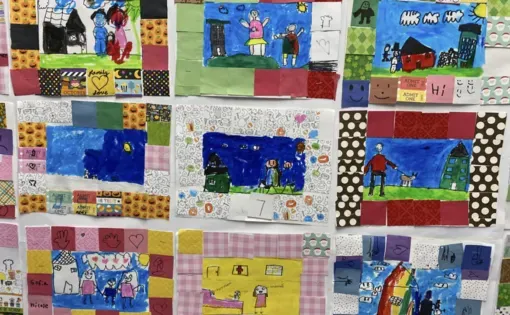
Students will learn about the untold stories of Black artists. Students will be inspired to create art about their own untold stories.
HUMAN RIGHTS UNIT PLAN
Picturing the Unseen: Illuminating Overlooked Narratives in African American History
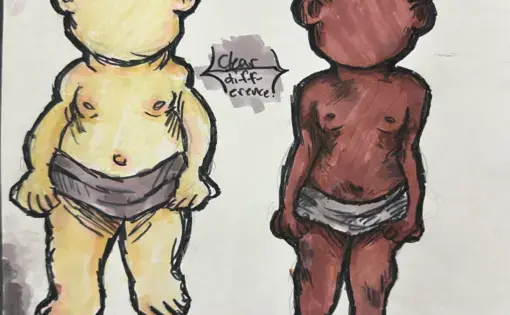
Students research significant and often overlooked moments of American history and communicate their findings through art by creating data visualizations.
FROM THE PULITZER CENTER LESSON LIBRARY
INFORMATION & ARTIFICIAL INTELLIGENCE CLASSROOM RESOURCE
AI Accountability Classroom Toolkits
This resource is designed to support classroom engagement with AI journalism by providing background information and key concepts for better understanding artificial intelligence and its societal impacts.
INFORMATION & ARTIFICIAL INTELLIGENCE LESSON PLAN
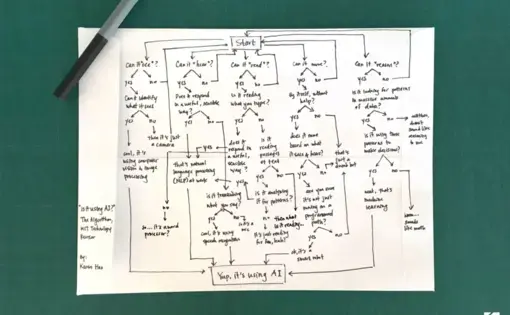
Evaluating AI's Impact on Everyday Life
Students explore reporting on the many ways artificial intelligence can be used, its potential benefits, and its negative consequences in order to evaluate AI's impact on their lives and communities.
INFORMATION & ARTIFICIAL INTELLIGENCE LESSON PLAN
Discussing AI Surveillance Technology on Campuses
Students will conduct a Socratic seminar to discuss and analyze different points of view on the use of AI technology to monitor students’ online presences and protest activity.
INFORMATION & ARTIFICIAL INTELLIGENCE LESSON PLAN
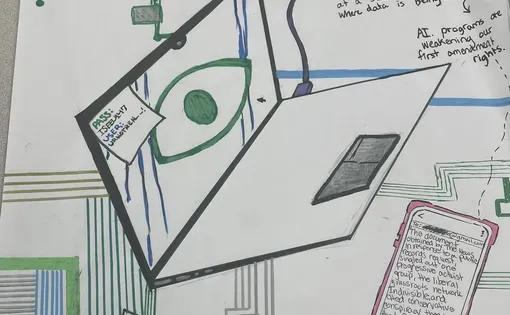
The (Evolution of the) First Amendment in a Digital Landscape
Students analyze how advances in artificial intelligence affect the health of First Amendment rights in an increasingly digital world.
INFORMATION & ARTIFICIAL INTELLIGENCE LESSON PLAN
How Social Sentinel Crossed Student Privacy Rights
Students discover how AI influences their daily lives and how the use AI and biometric data by institutional systems could potentially violate their privacy.