

This thematic guide was created as a resource for the 1619 Global Connections Series. It highlights 1619 Project materials, Pulitzer Center journalism, and curricular resources connected to the theme of Understanding Environmental Racism. The 1619 Global Connections Series was a professional development series designed to equip educators with resources and strategies for connecting themes from The 1619 Project to underreported stories on pressing global issues.
STRUCTURE
During the Understanding Environmental Racism Global Connections Workshop, educators explored ways to use The 1619 Project, other journalism projects, and creative tools to engage students in critical thinking about the human impacts of climate and environment. Educators engaged with the question of how journalism can help students understand the racialized impacts of climate change on a local and global scale. This digital version of the Global Connections Series audience guide showcases the resources curated for the workshop and supports educators' continued exploration of the same question.
- The Questions for Consideration tab includes questions developed for audience reflection and discussion during the workshop.
- The 1619 Materials tab highlights individual essays, creative works, and digital media from The 1619 Project related to the theme of Environmental Racism.
- The Pulitzer Center Journalism tab includes the stories used to anchor the workshop conversation and other tools to support climate and environment reporting.
- The Curricular Resources tab spotlights lesson plans and other instructional material related to the theme of environmental racism.
The questions below can support educator reflections about why climate and environment can be critical issues to explore with students and the important role journalism can play in that exploration. Educators new to The 1619 Project can also explore our Tips for Teaching 1619 to support utilization of these resources in a way that connects and empowers all students in the learning environment.
BEFORE RESOURCE EXPLORATION
AFTER RESOURCE EXPLORATION
These materials from The 1619 Project can be used to help students think critically about the ways in which things like economic policy, urban planning, and institutionalized racism impact the health of the environments we live in and heighten the risk and damage from climate disasters. The highlighted materials are not an exhaustive list and should be used as supplementary to other learning tools. Educators can find detailed resource guides for these and most 1619 Project materials in our 1619 Project Resource Guide Collection.
FROM THE ORIGINAL PUBLICATIONS IN THE NEW YORK TIMES MAGAZINE
The focus story below is the one highlighted as a part of the Understanding Environmental Racism Global Connections workshop. The journalist conversation about this reporting is available as a Webinar On Demand. You can find additional reporting related to this issue at pulitzercenter.org.
FOCUS REPORTING
Allensworth Rising: A Fight for Water
Systemic neglect and environmental injustice have left residents with contaminated water.

ADDITIONAL RESOURCES

HUMAN RIGHTS TOPIC
Racial Justice Reporting
The Pulitzer Center is committed to supporting journalism that addresses systemic racism in the U.S. and around the world, while telling stories of resilience and creative solutions.
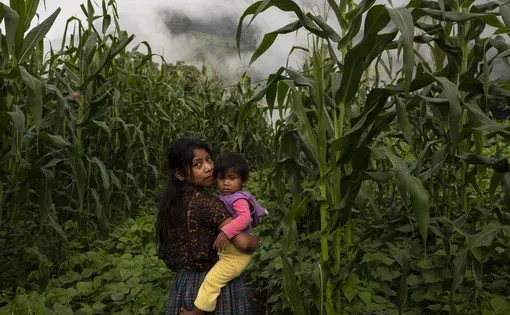
FOCUS AREA
Climate & Environment
The Pulitzer Center's Climate & Environment initiatives support journalism and audience engagement on the most pressing issues facing the planet's ecosystems and the communities who rely on them.
RESOURCES
Reporting Toolkits & Methodologies
Explore methods and tools used by Pulitzer Center fellows and grantees that can serve as blueprints for your Climate & Environment reporting projects.
These curricular resources are curated from the lesson libraries on the 1619 Education and Pulitzer Center websites. The resources can support classroom engagement with either 1619 Project material or Pulitzer Center supported journalism connected to the key focus area. The curricular resources can help strengthen skills such as critical thinking, media literacy, communication and empathy.
FROM THE 1619 EDUCATION MATERIALS COLLECTION
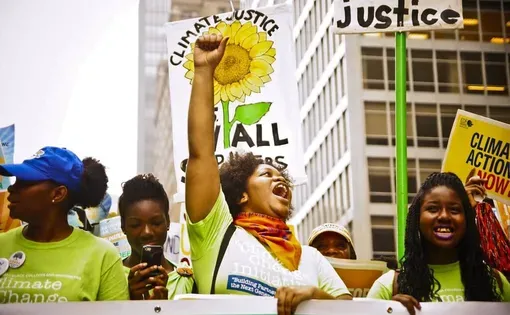
HUMAN RIGHTS UNIT PLAN
The Intersections of Racial and Climate Justice
Students explore the historical context to the current climate crisis, whose origins trace back to industrialization and the enslavement of African people.
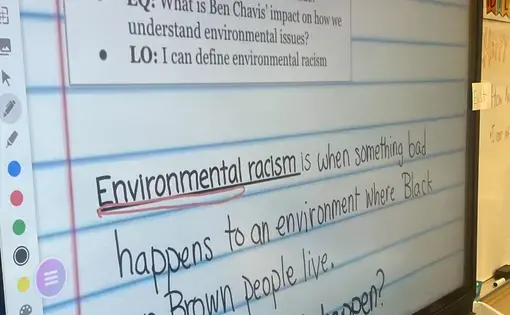
HUMAN RIGHTS UNIT PLAN
There Cannot Be Climate Justice without Environmental Justice
Upper Elementary students utilize “Born on The Water” and other texts to examine how the legacies of slavery include present issues of environmental racism.
FROM THE PULITZER CENTER LESSON LIBRARY
HUMAN RIGHTS LESSON PLAN
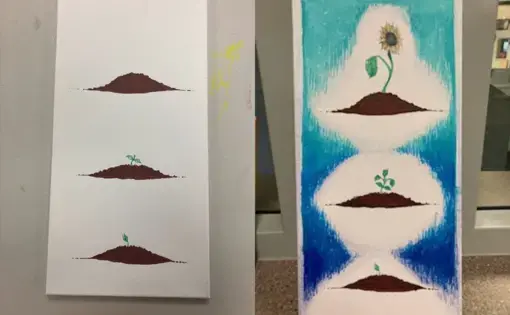
Through Study, Art, Action: Raising Awareness of Environmental Racism
Students explore how environmental degradation disproportionately affects marginalized communities, reflect on the sacredness of water, and create art to communicate a message of environmentalism.
HUMAN RIGHTS LESSON PLAN
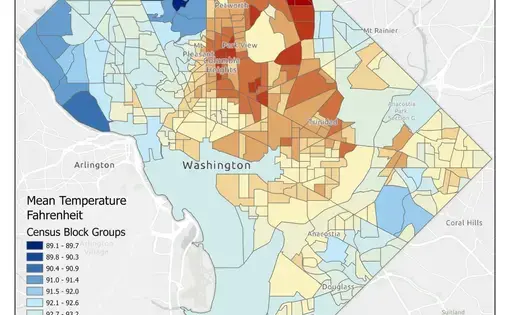
Community Care Through Climate Justice
Students apply close reading and analysis skills to examine who is most impacted by climate change, why, and what climate initiatives can be taken to enhance community care and safety. They then conduct interviews and research about people in their own communities who have been impacted by climate change, and advocate for concrete climate solutions with original articles.
HUMAN RIGHTS LESSON PLAN
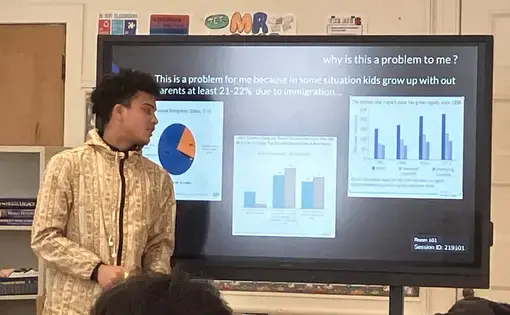
Our Global City: Using Underreported Stories to Report on Local Issues
Students engage with the question, "how does my community relate to the larger global community in the problems that they face?" through analysis of news articles and their own research, and then ultimately create presentations on underreported issues they identified in their communities.
HUMAN RIGHTS LESSON PLAN
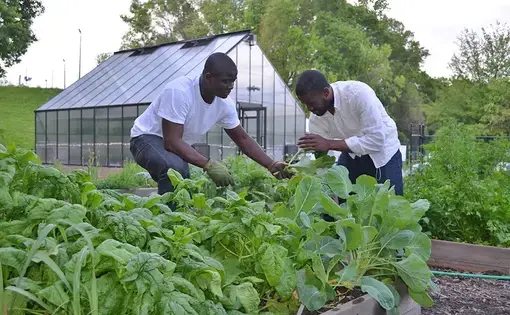
Unhomed: How Issues of Place Displace African Americans
Students analyze the enduring legacy of American slavery and gain insight into structural racism through analysis of news and research articles and the detailed development of a final research paper and TikTok video reflecting their research.
HUMAN RIGHTS LESSON PLAN
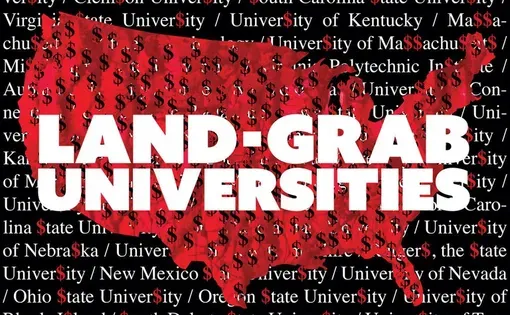
Leveraging Our Place: Native Nations and Land-Grab Universities
Students reflect on their own "sense of place" or "sense of belonging as they explore reporting on the lasting impact of the Morrill Act of 1862 on Native communities in the U.S. and resources about Native expressions of place and belonging.