Project October 2, 2025
Overlooked Toll of Climate Change on Kashmir’s Gujjar-Bakarwal Community
Country:

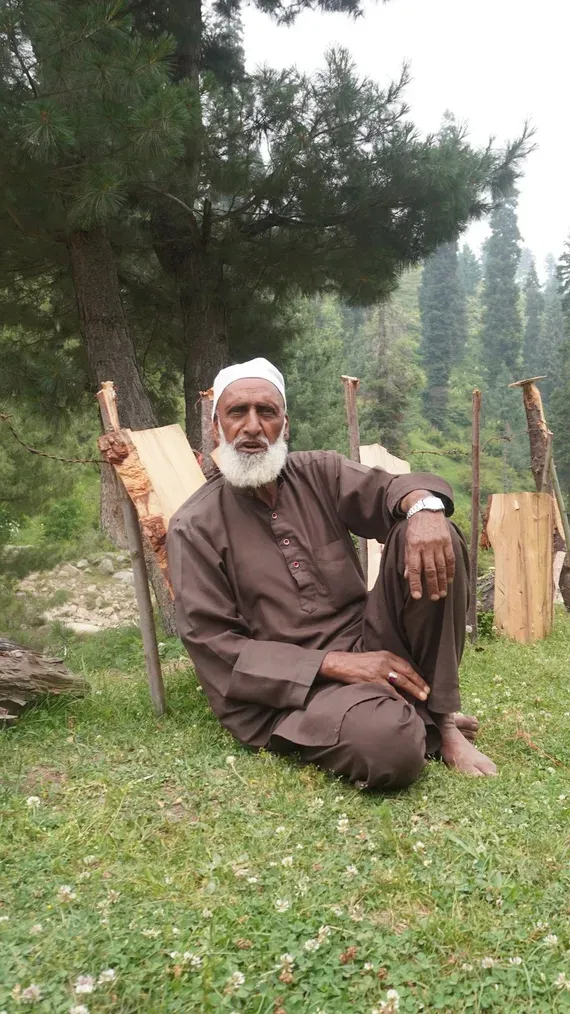
The Gujjars, also known as Bakarwals, constitute the third-largest ethnic group in Jammu and Kashmir. These nomadic pastoralists rear cattle and are entirely dependent on forests for grazing, wood collection, and fuel for cooking and warmth. This community is highly mobile, traveling throughout the year with their herds from the plains in winter to the upper reaches of the mountains in summer.
Climate change has significantly disrupted their traditional travel patterns, living, food security, and belongings. Sudden climatic events pose significant challenges, and there is often no available help. Ironically, these events are driven by climate change, to which the Gujjar-Bakarwal community contributes the least. They lead simple lives in mobile tents or dhokas (made of wood and mud), yet they bear the brunt of climate change.
These abrupt changes severely impact their physical and mental health, and they have limited access to basic health care facilities. Women, in particular, face reproductive health challenges. During climatic crises, they often use unhygienic water and cloth, making them prone to infections and diseases, further affecting their mental health.


