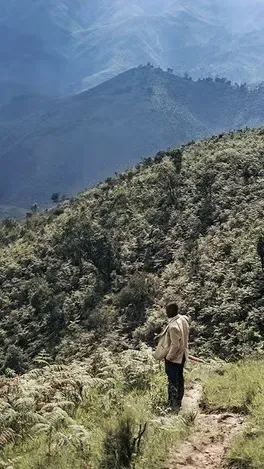

Close to $2 billion was pledged to support indigenous-led forest conservation at COP 26, but only a fraction of that money has been distributed to local communities directly.
The reasons why are complex. Indigenous governance structures differ wildly, while concerns over reporting, corruption, and safety remain central to donors. Currently, intermediaries hold the power of the purse, but this old model faces serious problems, including administrative losses and “strings-attached” funding. Those who live in and protect the forest, are held to standards that are neither productive nor possible to meet.
So how can the world ensure that those most impacted by deforestation are empowered to be part of the solution?
The answer may be direct financing. A growing body of evidence shows that indigenous peoples are the most effective guardians of the forest, and a global movement is behind them. Today, in the world's largest rainforest basins, charities are pioneering systems that shift power and money to these groups. With COP 30 on the horizon, JohnJo Devlin set out to find out who will lead the future of conservation, and answer some pressing questions: Can such programs deliver in wartorn, remote or climate-challenged regions? Is it possible to shift global thinking on indigenous communities? And are old funding models no longer fit for purpose?


