Pulitzer Center Update November 10, 2026
Chicago Teachers Explore Strategies To Empower Students To Connect Community Issues to Action
Country:


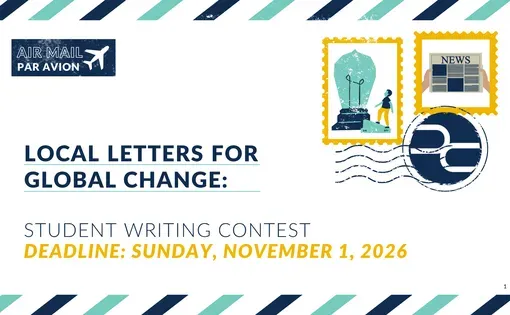
Students are invited to make their voices heard this election season by writing a letter to a decisionmaker that explains the global issue they want to see prioritized. Deadline: November 1, 2026.

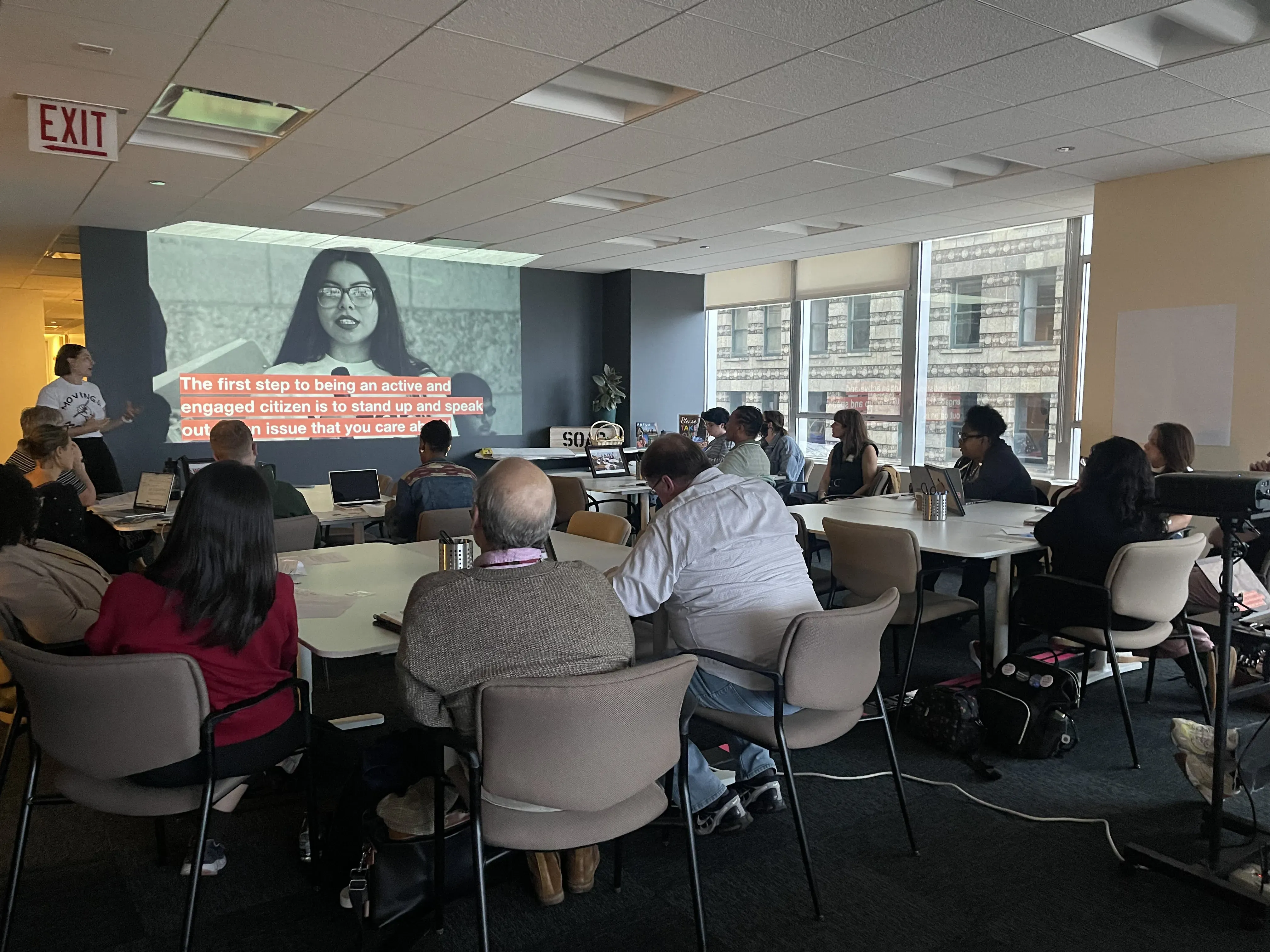
On September 24, 2026, the Pulitzer Center partnered with Mikva Challenge for a workshop introducing 17 Chicagoland educators to two dynamic civic engagement initiatives for the classroom: Local Letters for Global Change and Project Soapbox. Facilitated by Rebecca Coven (Director of School-Based Programming, Mikva Challenge) and Jaya Mukherjee (Program Manager, Pulitzer Center), teachers discovered how connecting the two initiatives can create meaningful opportunities for students to engage with issues they care about, connect local and global perspectives, and use their voices to advocate for change.
Local Letters for Global Change is a student writing contest that invites young people to explore Pulitzer Center-supported reporting on an underreported global issue, make connections to their own communities, and write to a local elected representative with locally relevant solutions. Project Soapbox is a civic engagement and public speaking experience that helps students identify issues they care about, develop powerful speeches, and move audiences toward action. By connecting the two initiatives, participants explored…
- Approaches for developing persuasive speeches and letters that elevate student voice and communicate ideas to an authentic audience.
- How students can move from identifying problems to imagining solutions and taking action, including making connections between global issues and local opportunities for change.
- Ready-to-use classroom resources including graphic organizers, curated reporting, speech-writing tools, rubrics, and examples of student work.
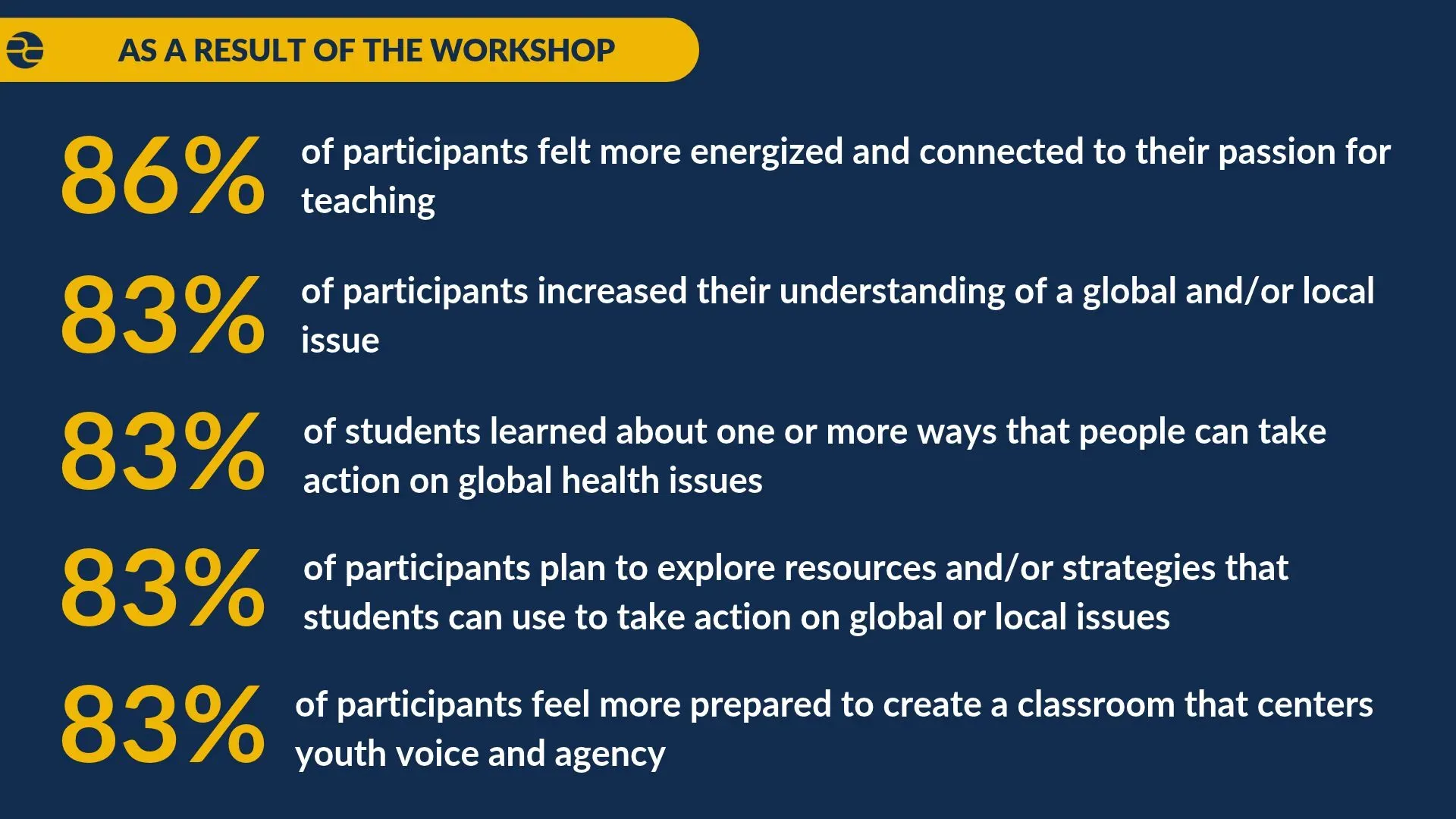
When asked what participants liked most about this workshop, they shared:
- “I loved the flow and continuity of showing how Local Letters and Soapbox complement each other. I also appreciate the focus on local impacts.”
- “I liked the collaboration between a program that works to strengthen writing skills with a program designed to promote students' speaking skills.”
- “The letter from the student really impacted me. I see a great connection in my teaching and instruction.”
- “I liked Project Soapbox’s Assets Section.”
When we asked participants how they plan to use the strategies, they shared:
- “I plan to do both Local Letters and Project Soapbox with my amazing 7th graders this year!”
- “I will do the Local Letters project with my 12th grade world history students next month and start Project Soapbox with my SVC next month also. We can use the Pulitzer Center resources as potential research sources.”
- “We are currently developing a new civics-based curriculum; these 2 PBL activities are very appealing.”
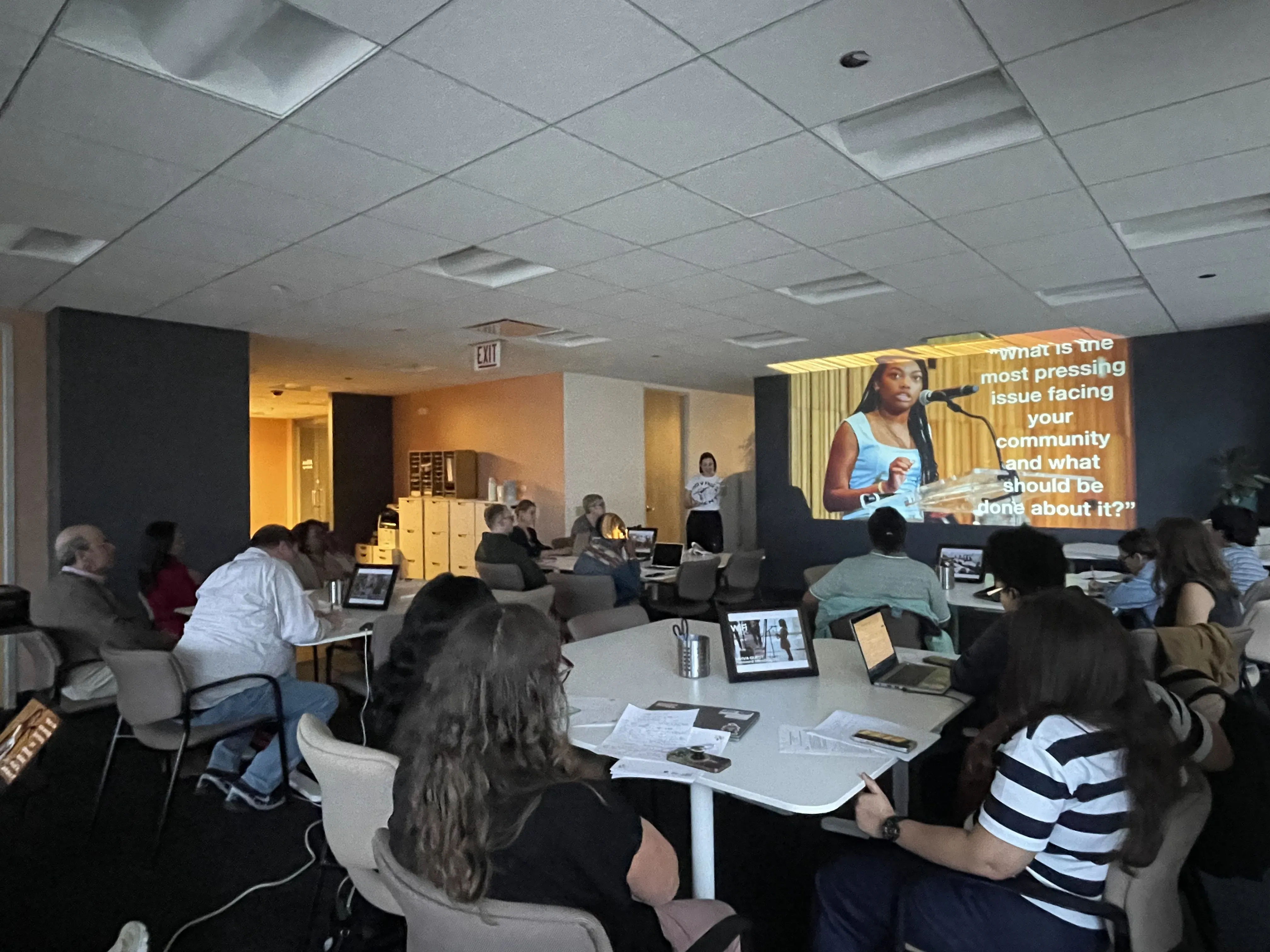
The Local Letters for Global Change Writing Contest closed on November 1, 2026, but free workshop materials are available year-round. Curricular materials from Mikva Challenge, including Project Soapbox, are free for Illinois educators. Complete the interest form to join Mikva Challenge’s Illinois Virtual Community and access the free curricula.