Story
 November 21, 2025
How Migrant Labor Is Changing the Lives and Futures of Bangladeshi Women
Country:

Women struggle as husbands and fathers are trafficked through global labor supply chains.
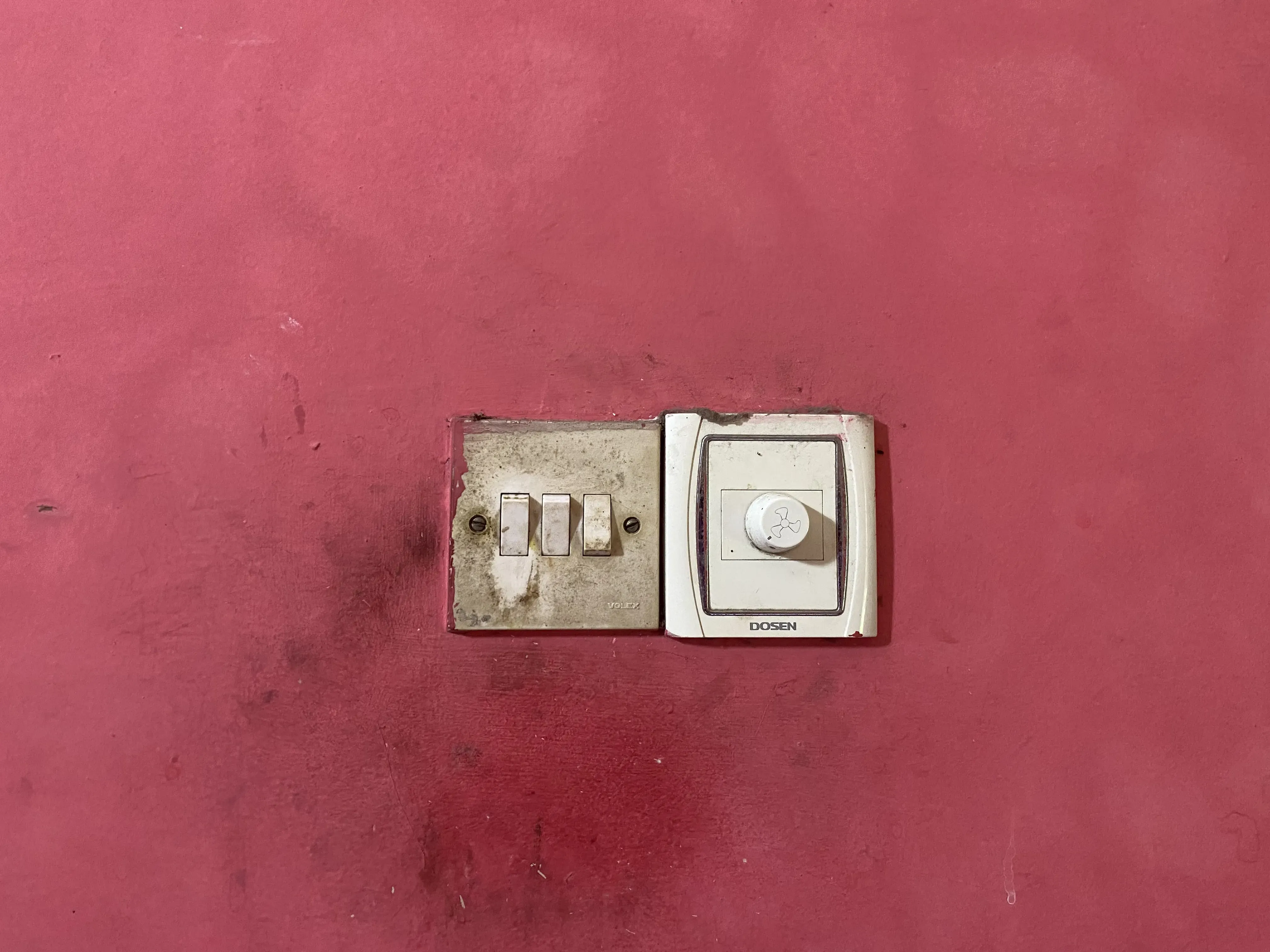
Sitting in a newly painted bright pink room, Anoyara Begum’s face winced. She is pregnant with her fourth child—raising them on her own. Her husband works in Saudi Arabia to provide for the family. Reflecting on bathing, cleaning, feeding, clothing, educating, disciplining, and budgeting for her three daughters, she says “that was really difficult.” But she is not alone.
Begum lives in Rangunia, a southern coastal village in Bangladesh. Begum’s cousin Ruby Akter's husband is also aboard, and she is raising three children on her own.
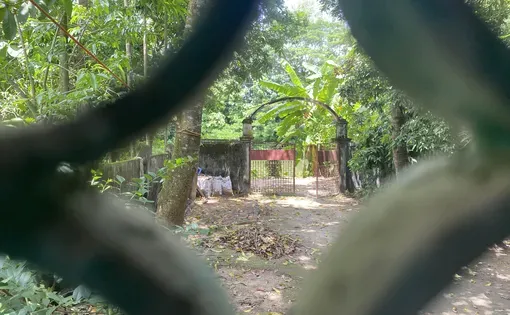
Migration has transformed Begum's and Akter's families. While it has moved them from mud houses into brick compounds with steel gates, tiled kitchens, Wi-Fi, and ceiling fans, it comes at the cost of family separation.
Shopna, Akter and Begum’s aunt who refrained from providing her last name for security reasons, explains “with the help of the money” she “made their own house.”
According to the Bangladeshi government, the UAE is Bangladesh’s “largest remittance source.” Data analysis shows Bangladesh is the world’s sixth-largest source of migrant workers, especially to the Persian Gulf: Over 17% of Bangladeshi migrant laborers work in cities like Dubai and Sharjah in the UAE, more than 43% in Saudi Arabia, 11% in Oman, and 6.3% in Qatar. For nearly 20% of Bangladeshis living below the poverty line, especially in rural districts, the Gulf represents an opportunity to escape poverty, secure social status, and—for a largely Muslim population—fulfill spiritual aspirations, given that Saudi Arabia is home to the Kaabah, Islam’s holiest site.

As a nonprofit journalism organization, we depend on your support to fund more than 170 reporting projects every year on critical global and local issues. Donate any amount today to become a Pulitzer Center Champion and receive exclusive benefits!
In their fathers', husbands', sons', and cousins' absence, it falls on women to navigate pregnancy and to keep strong while mothering.
The social risks are also heavy. In recent years, sexual violence against women and children has nearly doubled in Bangladesh, and women perceive themselves as more vulnerable without men at home.
Nonetheless, some women find ways to indulge in small luxuries of their new wealth. Even when money is tight, Akter says, she “gets happy” whenever she “buys new clothes.”
Mass migration puts women at the head of their households, expanding their economic power and responsibility.
It is also reshaping the futures and imaginations of the next generation.
Nadia Sultana Shirin, whose “brother-cousin” works in Saudi Arabia, once imagined becoming a military officer. When that ambition faded, she reframed her dream into something equally bold: to “earn enough money to buy a house.” Not merely to live in a home renovated by a husband abroad, but to “make money and build a building” herself.
Likewise, grocery store promoter Samia Akter (no relation to Ruby Akter) looks beyond the path carved by her grandfather who migrated to Saudi Arabia prior to her birth. Newly married, she dreams of moving with her husband to Qatar. Unlike the previous generation, she seeks not just remittances or gifts, but the chance to claim her own experience.
Yet, the path to the Persian Gulf is often paved with risk and betrayal. In Chittagong, Bangladesh’s second-largest city, Muhammad Ramzan spends his days pulling passengers across town on a rickshaw, the cheapest and most grueling form of transport.
He tried to migrate to Qatar, only to be scammed out of 95,000 taka (about $777 USD). For context, most rickshaw pullers in Chittagong earn only 15,000 to 19,999 taka per year (about $123 to $156 in USD), making that loss staggering. Even for those who make it abroad, the promises of prosperity often unravel. Reports document Bangladeshi workers in the Gulf facing confiscated passports, withheld wages, surveillance, overcrowded housing, and malnutrition.
Inside homes in Bangladesh, wives rarely speak of these conditions. While Akter and Begum’s aunt Shopna noted her husband “used to visit once in a year but due to some problems there, he's not coming now,” Akter and Begum explained calls with their husbands normally focus on children, schools, family, and house renovations.
What matters, said Muhammad Ziad Rahman, a history professor at the University of Chittagong, is the comfort and money provided by those sacrifices.
Shopna and her nieces admit that they miss their husbands. Yet when asked if presence could ever outweigh remittances, Akter was unequivocal: “No. Money is important to raise the kids and to live.”
Shopna echoed the sentiment, declaring, “Without money, you cannot live. So it's really valuable … [and] important for the family and community as well for the growth and a good lifestyle.” For her children, she continued, “all the prosperity in their life came with the money.”
The transcontinental pipeline of workers from South Asia to Saudi Arabia, the UAE, and Qatar expand economies with malls, mirrored skyscrapers, and artificial islands. They are central to rebranding the oil-rich states as welcoming to the West.
Behind the glamour are South Asian laborers and the wives and mothers like Begum, Akter, and Shopna who keep life moving in rural Bangladesh.
Ahead of them is the next generation of women, like Nadia Sultana Shirin and Samia Atker, who are harnessing the opportunities born of this labor system to shape their lives and country to their desires.
Editor's note: Reporting was made possible with the help of translator Mirza Subah.