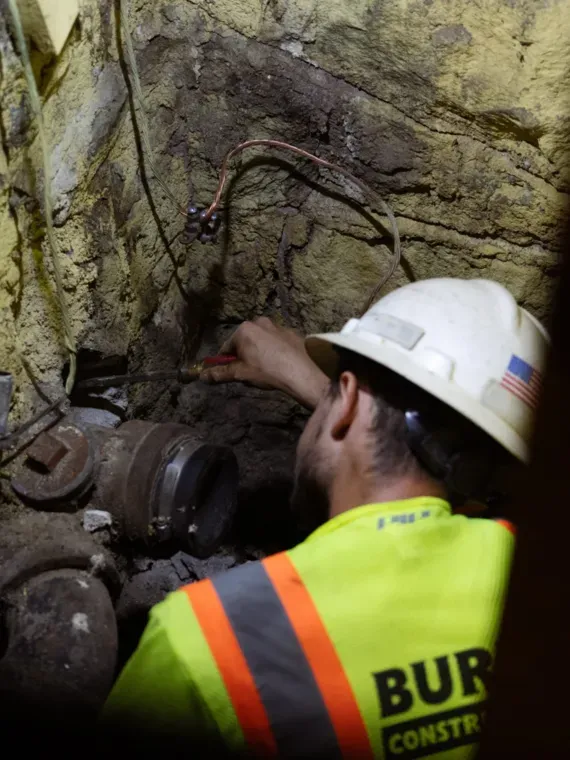


New data shows there may be as many as 8,000 lead water lines still in use throughout Connecticut, serving homes, apartments, and in-home day cares.
The data, obtained by the Connecticut Mirror, provides the first public look at how many people in the state are potentially at risk of consuming water that travels through those century-old pipes. And it highlights how that aging infrastructure is not distributed equally throughout the state.
The vast majority of the suspected lead lines identified in the data are located in lower-income neighborhoods—places that have significant Black and Hispanic populations and are designated by the state as environmental justice communities. But lead water lines were also flagged in some of the state's wealthiest communities, places like Greenwich, located along Connecticut's Gold Coast.
In this project, a team of reporters at the Connecticut Mirror explore some of the most important questions about those toxic water lines: Where are they located? Are they actively polluting people's drinking water? What will it take to replace them? And why have these lines been allowed to remain in the ground for so many years?


