Story
 April 28, 2026
Dance Nonprofit Reframes Aging, Gives Visibility To Older New Yorkers
Country:

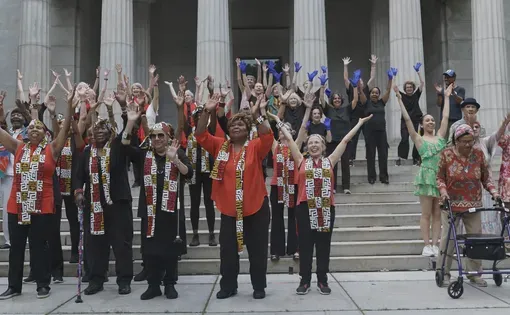
A woman joins a senior dance troupe, finding community while preparing for a final performance.

I spent much of the fall semester reporting on the financial and emotional burden of longevity. While we all strive to live longer, far less attention is given to the quality of these extra years. Health care costs climb, friends and spouses pass away, and mobility diminishes.
At Henry Street Settlement, New York City Housing Authority (NYCHA) workers told me about older residents isolated in sixth-floor walk-ups, whose only social contact came when staff delivered Meals on Wheels. One worker described a woman who would dress and do her makeup just once a week, solely for that delivery. However fleeting, this interaction gave her a reason to get out of bed, shower, and feel presentable.
Too often, older people are peripheralized by society, confined to senior centers or care homes and expected to live quietly.
Through photographer Claudia Rosel, I encountered the work of Dances For A Variable Population (DVP). I was immediately enamored with the project. Rather than reinforcing stereotypes by focusing on the isolated woman in her walk-up, this was an opportunity to reframe the narrative and highlight the connection, joy, and strengths of older New Yorkers.

As a nonprofit journalism organization, we depend on your support to fund more than 170 reporting projects every year on critical global and local issues. Donate any amount today to become a Pulitzer Center Champion and receive exclusive benefits!
Performance is a central part of DVP’s programming and philosophy. At its core, it is about visibility, combating ageist preconceptions by supporting older people to create, move, and play in public spaces. As a society, we are conditioned to associate aging with decline and incapacity.
DVP platforms older adults who are developing new skills. Often, while filming a rehearsal, someone would approach and inquire about the program, hoping to get a relative involved. We hope that our documentary, along with a planned impact campaign in senior centers throughout the city, extends this philosophy of visibility.
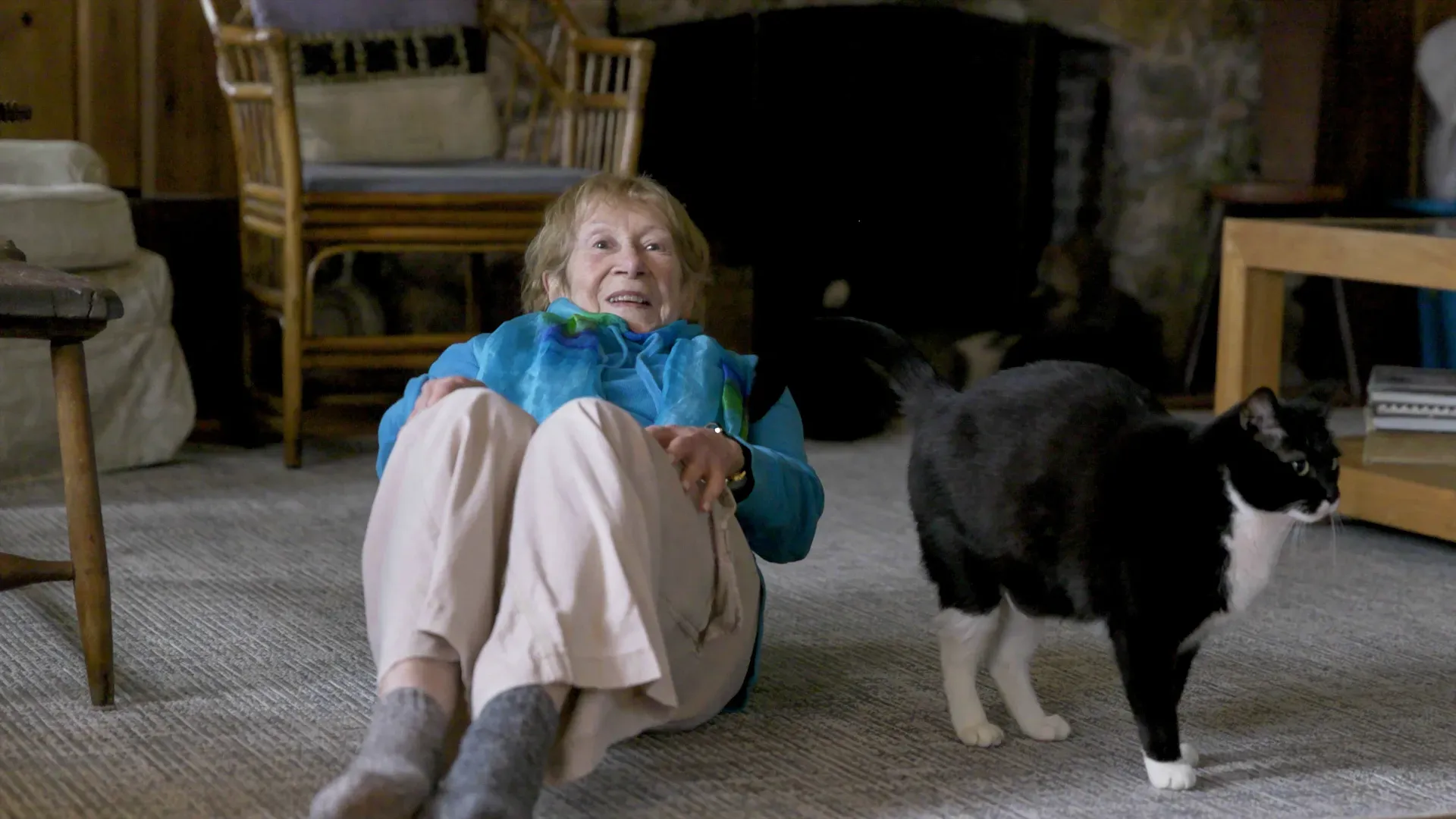
In Chris O’Sullivan, we found a person who embodied many of the challenges and solutions we sought to explore. Here was a 78-year-old woman who had lost her family and many friends, was not inclined to socialize, faced the financial burden of being a single woman in New York City without an income, and was experiencing a terminal diagnosis. It was remarkable to observe and document the therapeutic quality of dance for Chris: She left each rehearsal entirely present and grounded in her sense of self and community.
America’s population is older now than it has ever been. It is incumbent upon all of us to find solutions and interventions so that this significant portion of our society has an opportunity to conduct productive, joyful, socially connected, and meaningful lives.