Story
 December 3, 2025
Pulitzer Center Grantee Traveled to El Salvador To Understand a Family’s Deportation
Country:


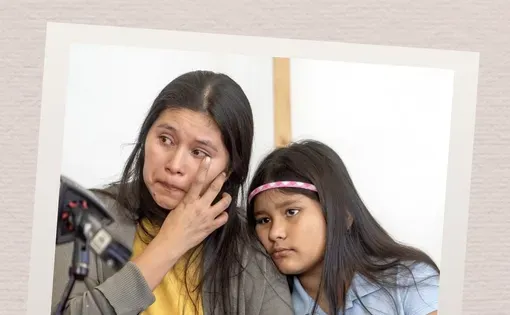
A mother's story challenges the Trump administration assertion that its priority is deporting...
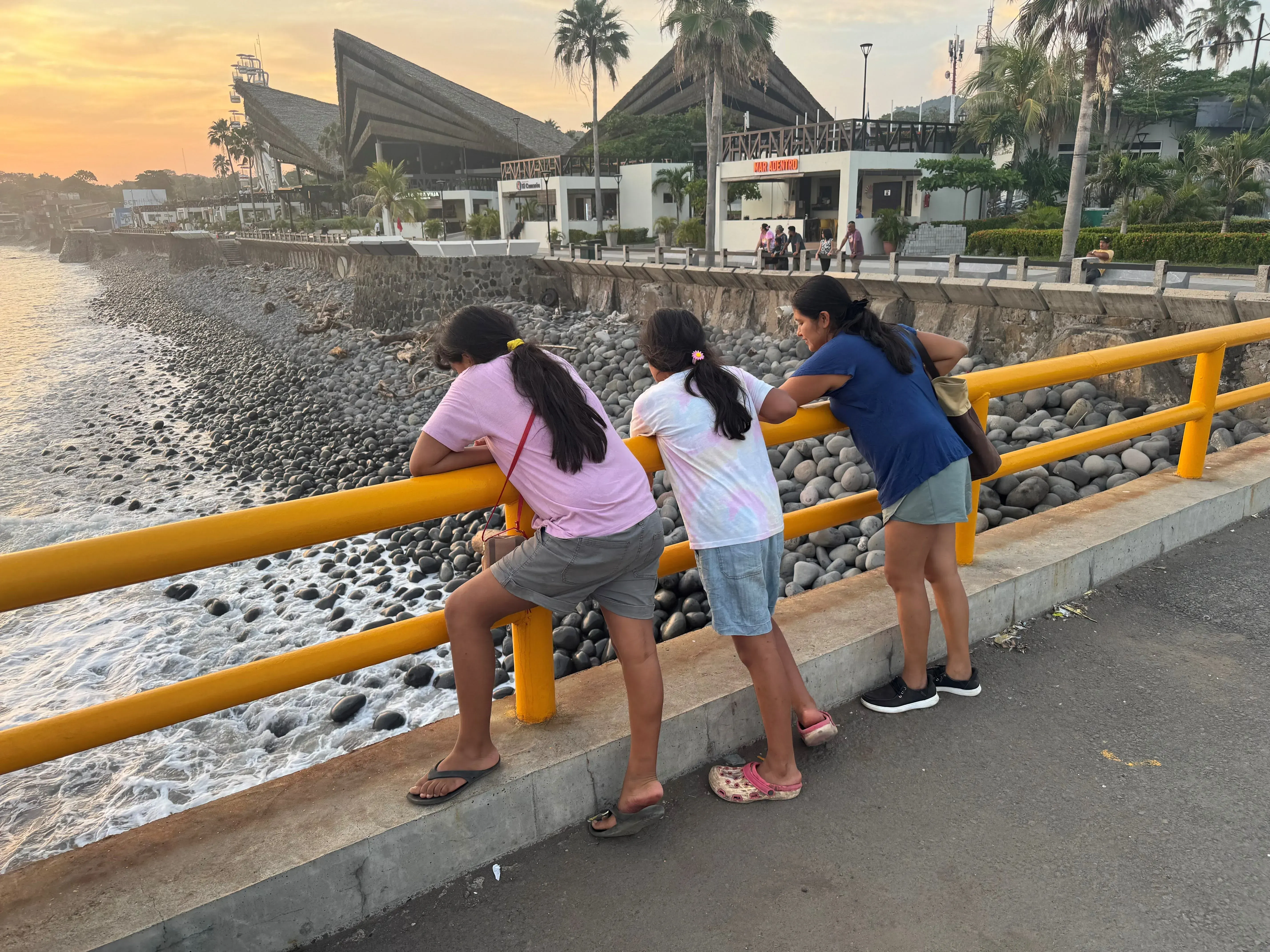
Reporter Sophie Carson reflects on traveling to El Salvador for a series that examines life after deportation.
While preparing to report on a Milwaukee woman who had become a symbol of immigrants forced to leave the U.S., I wondered whether the woman I had come to know as optimistic and resilient would still be holding out hope for a return.
What was it like for Yessenia Ruano, a former Milwaukee Public Schools teacher's aide, to return to El Salvador after 14 years away — and now with a husband, also a Salvadoran immigrant, and their two U.S. citizen children? How do deportees like her leave everything behind and start over from scratch? Was she handling the transition?
I also was curious what the country would be like. In the last year, U.S. news outlets have covered El Salvador's notorious prison, CECOT, and the Venezuelan migrants sent there by President Donald Trump.

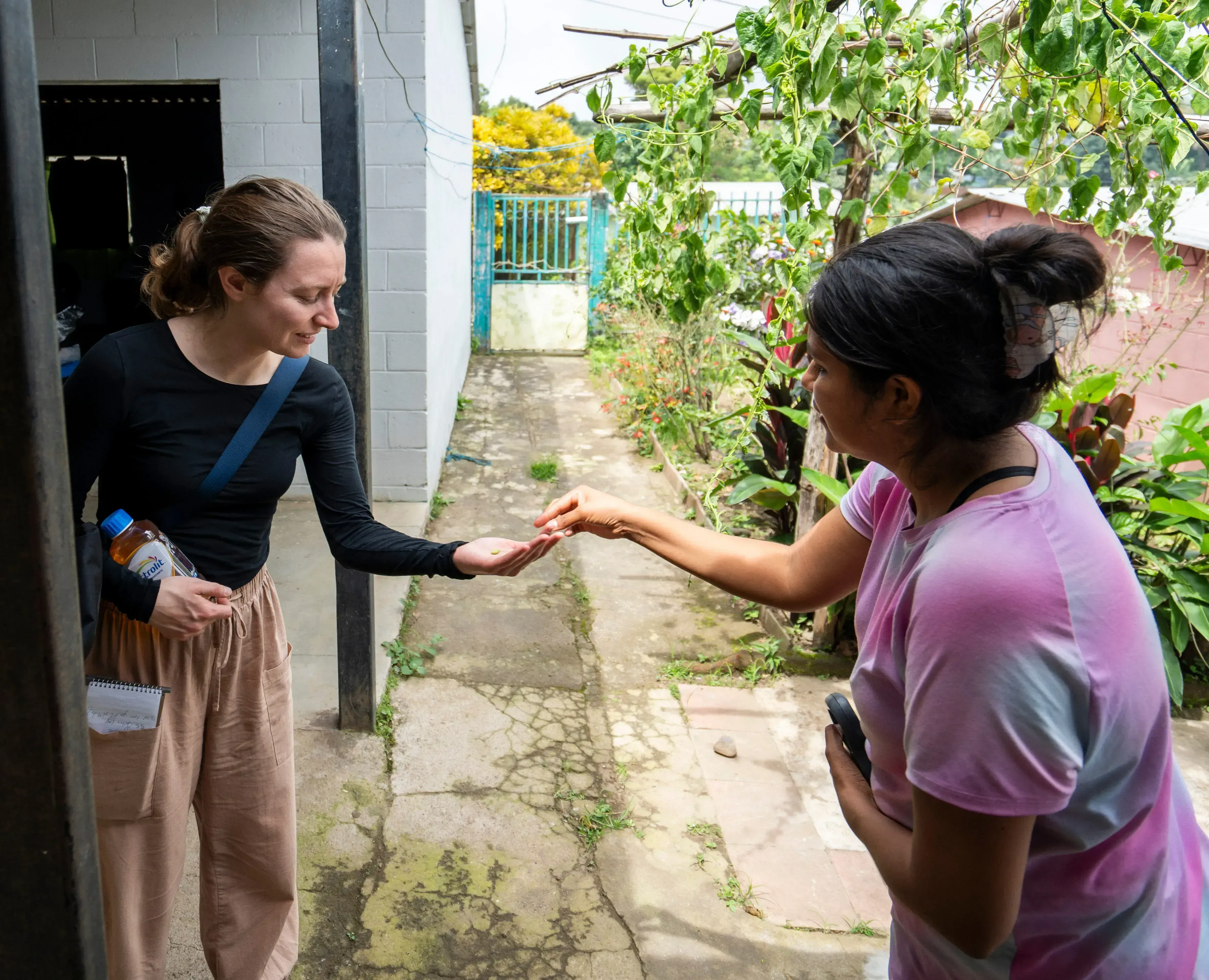
Having read about Salvadoran President Nayib Bukele's moves to crack down on human rights organizations, arrest and detain suspects without due process, and restrict a free press, I asked Salvadoran reporters: Would there be police checkpoints along the roads? Would I be safe? They politely dismissed my concerns and said I'd be just fine. The country was different now — at least for visitors like me.
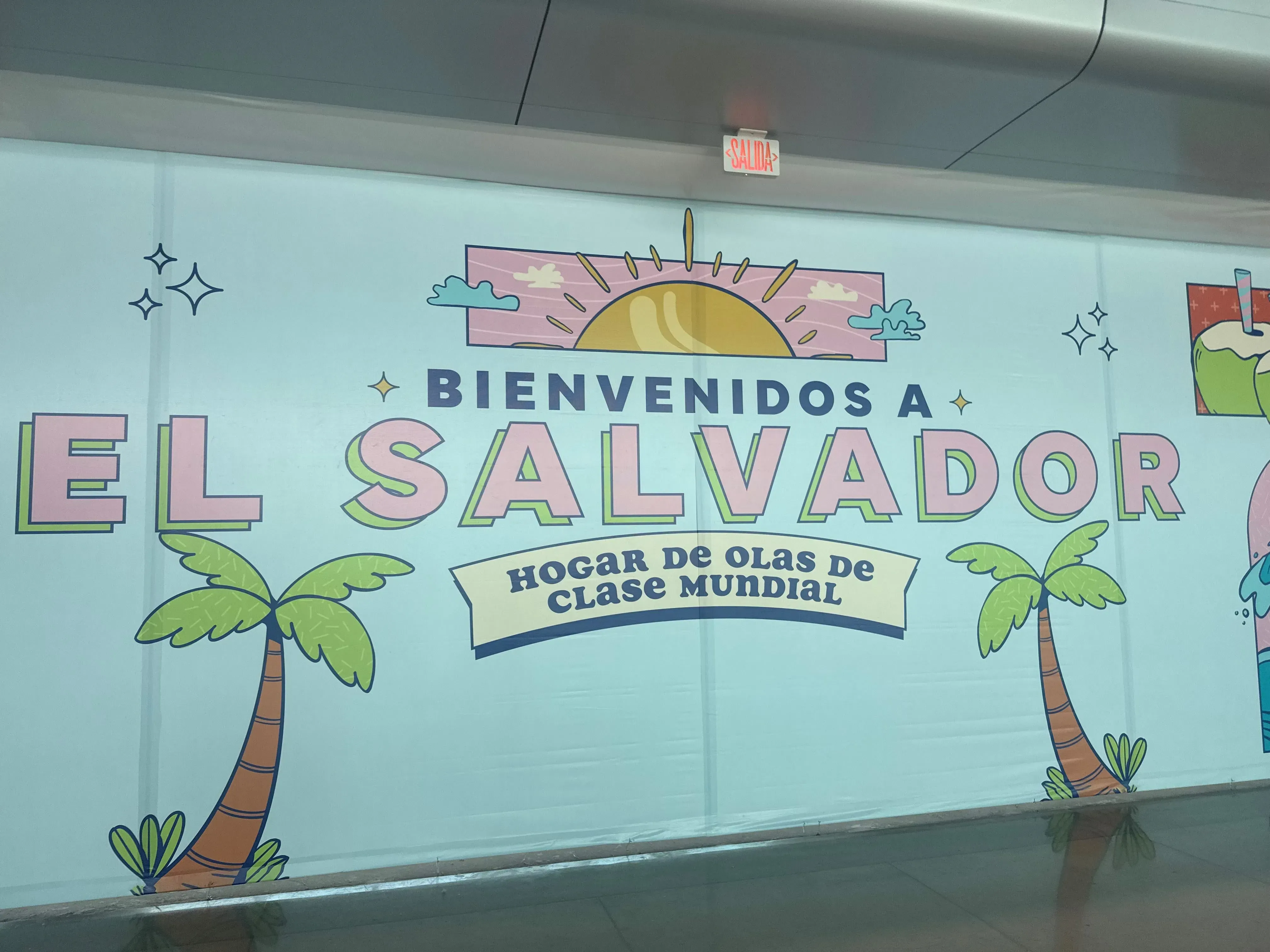
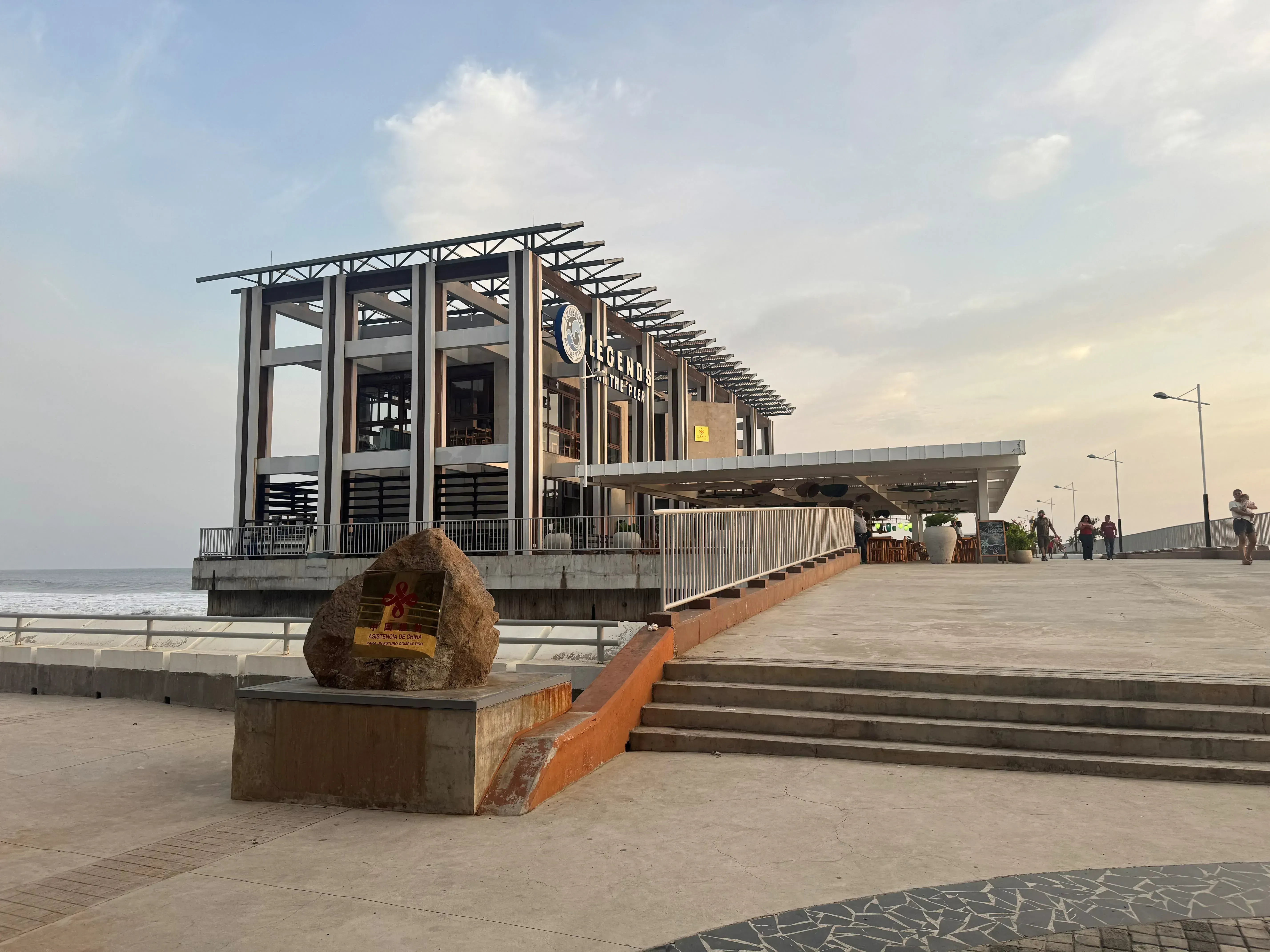
The new San Salvador airport terminal was the first sign of the major transformation underway for this central American country. El Salvador is opening itself up to foreign investment and foreign tourists and has dubbed a stretch of its Pacific coast "Surf City." Murals along corridors greet arriving passengers. "Welcome to El Salvador," reads one in Spanish, with pastel pink letters on a light blue background, framed by cartoon palm trees. "Home of world-class waves."
Another mural, "Eating a pupusa 101," offers tourists a four-step diagram in English on how to consume Salvadoran griddle cakes. Elsewhere in the terminal, portraits of Bukele and his wife, Gabriela Rodriguez de Bukele, oversee a roped-off area with Salvadoran flags, the presidential seal and two stately chairs.
Journal Sentinel photojournalist Jovanny Hernandez and I spent five days in the country, not nearly enough to offer deep insights on its politics or economy. But on the surface, we noticed a wide range of income levels and living conditions, high costs, and a growing connection to the outside world.
The country also was full of contradictions.
Tall, fair-skinned tourists surfed at the beach near our hostel, and locals frequented shopping centers with Wendy's and Little Caesars and Panda Express. Up in the mountains in Yessenia's childhood village, though, heavy rains had cratered unpaved roads. On the way in, a trickle of workers walked home after picking coffee beans, a way to earn a few dollars in an area short on jobs.
Photo Gallery: Former Milwaukee Teacher’s Aide Builds a New Life in El Salvador
Yessenia's husband, Miguel Guerra, knows that life well. Growing up, he harvested coffee to pay for a pair of shoes. They had to last a year, he told me, so he'd walk barefoot until he got close to his school.
It's one thing to observe those contradictions. I understood that for Yessenia, Miguel, and their twin 10-year-old daughters, it's something else to actually live within them. As El Salvador outwardly embraces a new image, it has undertaken development projects that, Yessenia says, make life unaffordable for many locals.
Beyond just economics, the country Yessenia left 14 years ago, and Miguel left 18 years ago, is significantly different than the one they returned to in 2025. Yessenia travels as a passenger in Miguel's truck, afraid to drive herself. The traffic, roads and drivers are still too unfamiliar.
Every day also offers a reminder of what their lives used to be like in Milwaukee. We traveled near Halloween, so I brought the girls small bags of candy. The moment was bittersweet. They were excited, but immediately expressed disappointment they wouldn't dress up in costumes and go trick-or-treating.
It became clear day by day that building a better life for the girls fuels much of Yessenia and Miguel's daily decision-making.
One small moment underscored this. I am proficient in Spanish and mostly spoke to Yessenia and Miguel in Spanish. But when I first arrived, I started chatting with the girls in English. Miguel jumped in and said to the them, "Take advantage of this!" He doesn't want them to lose their English fluency, conscious of how important it would be for college and careers. They primarily speak Spanish these days, although they will start attending English classes on Saturdays.
One of our last moments with Yessenia lingers with me. She had patiently answered every question I'd lobbed her way, giving them real thought. She was sitting in a plastic chair, posing for a portrait for Jovanny.
She was quiet for a while, then said, "I don't know why I want to go back to a place that doesn't want me."
It was the most resigned I'd heard her, a crack in her perpetually hopeful exterior. It also was an expression of doubt from someone who has fought for 14 years to live legally in the U.S., hitting wall after wall.
I could see that tension between hope, and acceptance of her reality, was something she would have to keep figuring out long after Jovanny and I were gone.

