Story
 June 5, 2025
U.S. Aid Helped Two African Countries Rein In HIV. Then Came Trump

The effects of these cuts on the well-being of children


The Pulitzer Center's support for this reporting was made possible through the Stavros Niarchos Foundation (SNF) and the Gates Foundation.
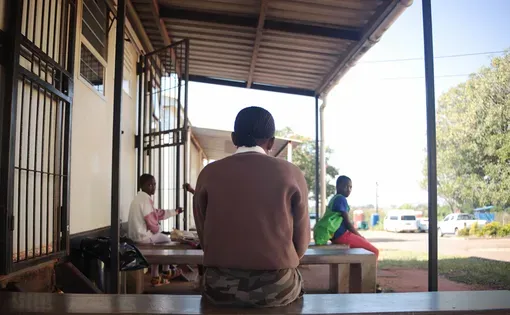
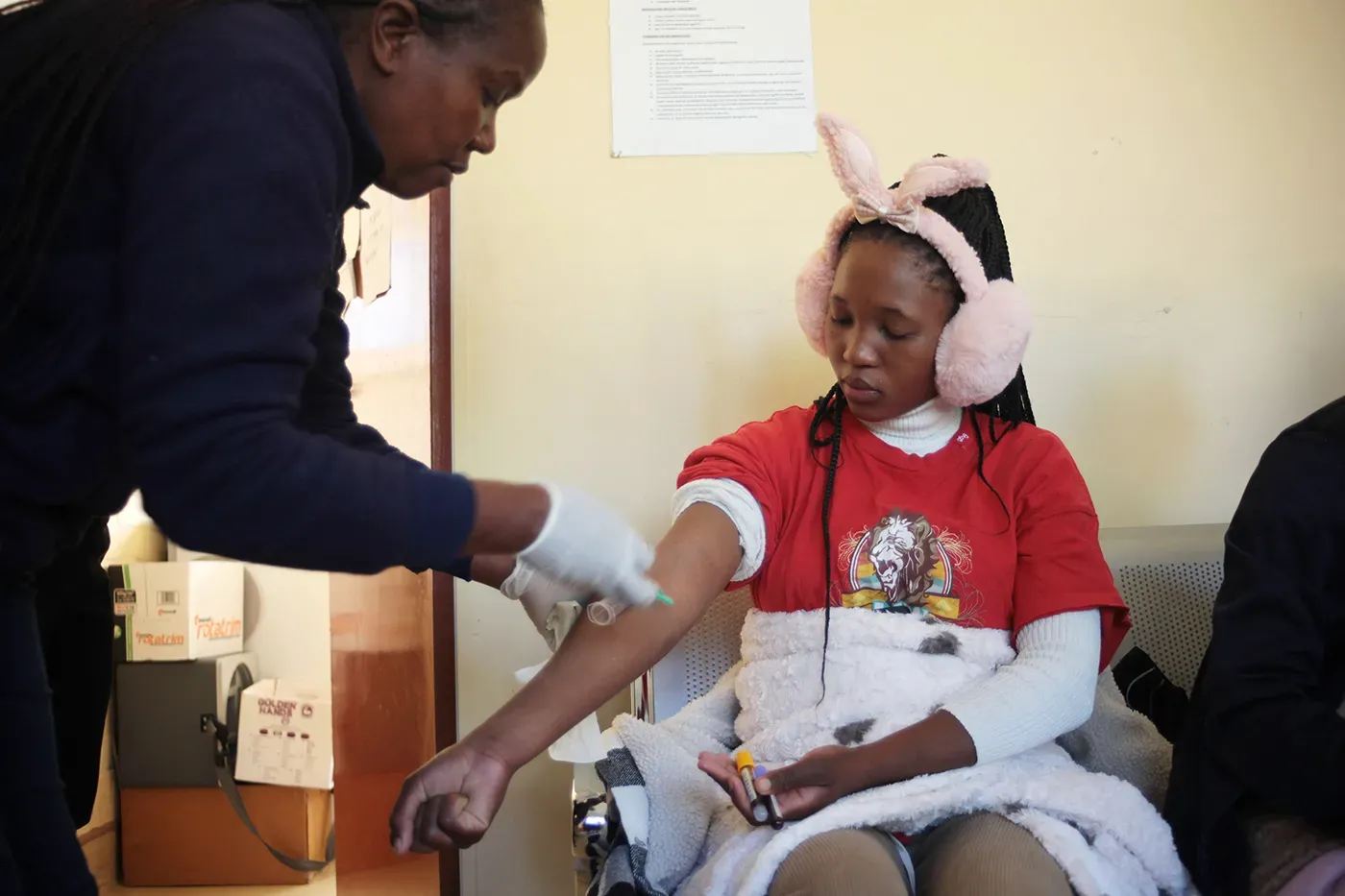
On 14 May, Temalangeni Dlamini, 20, traveled 10 kilometers from her rural home in southern Eswatini to the Matsanjeni Health Centre for the first check-up of her pregnancy, which was already 8 months along. Dlamini was hoping to give birth at the clinic, which required an evaluation beforehand. The procedure included an HIV test, and to her surprise, Dlamini was positive. The doctor immediately put her on antiretroviral (ARV) treatment, which would also protect her child from infection.
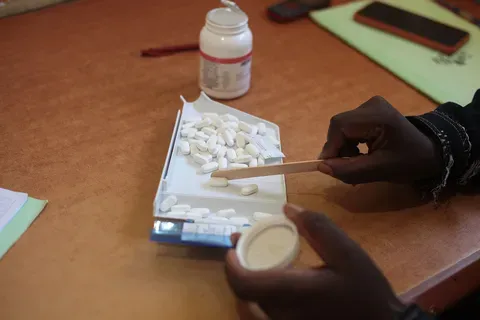
The small, low-slung brick clinic has long received assistance from the U.S. President’s Emergency Plan for AIDS Relief (PEPFAR), which paid for nurses, outreach workers, cellphones, and internet access, and provided transport for staff to make home visits. But in January, President Donald Trump’s administration began dismantling its main funder, the U.S. Agency for International Development (USAID), and scrapping thousands of grants and contracts.
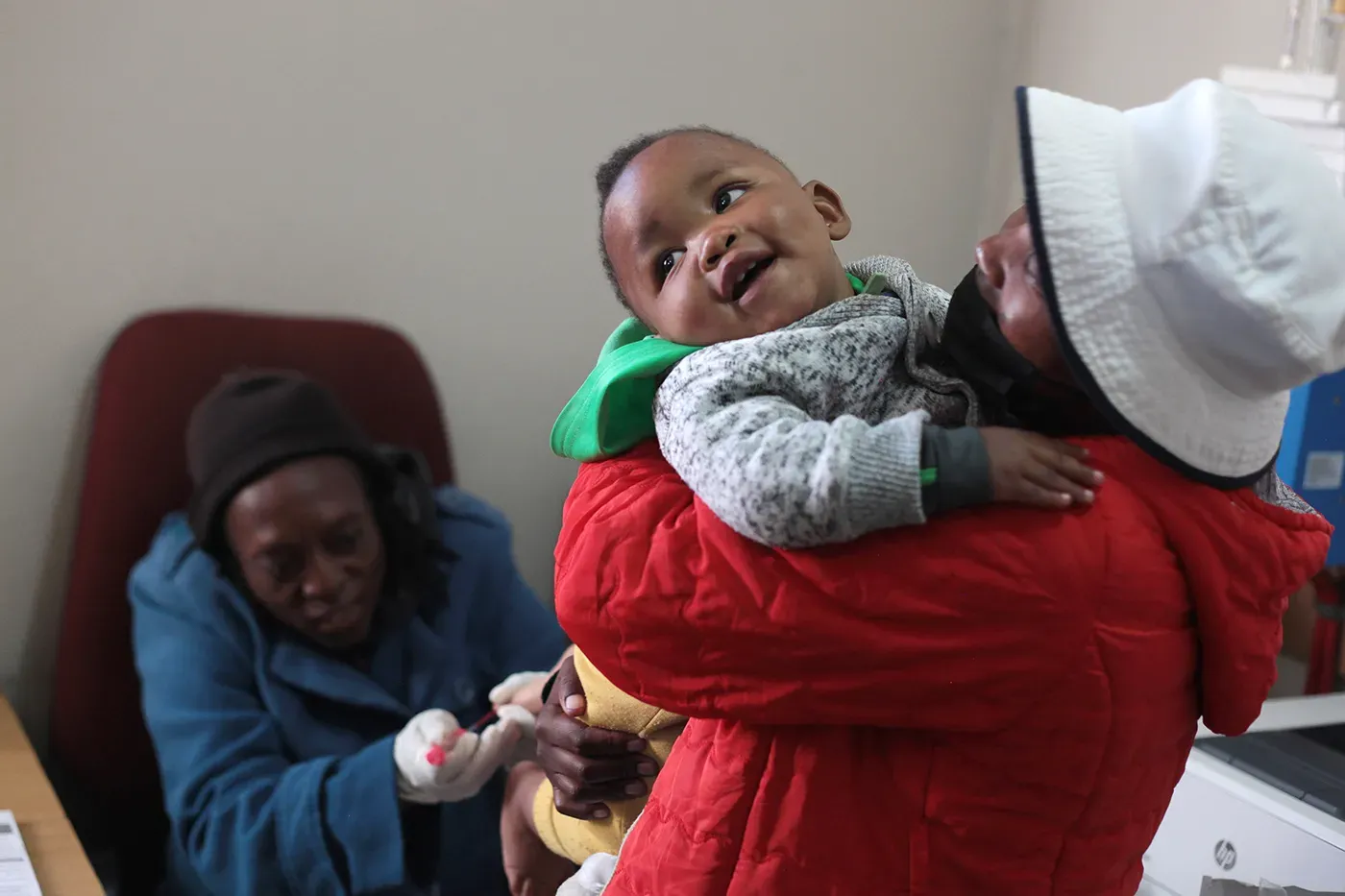
For Dlamini’s family, the cuts hit home. In the past, the health center would have sent staff to her home after her diagnosis to test her two children and other relatives living nearby for HIV. If needed, everyone who tested positive would receive transport to the clinic, where they would receive treatment and then viral testing to make sure they were taking the drugs and had not developed resistance. This type of intensive follow-up is especially crucial for children, who depend on adults to take their medicines, and, if the virus is unchecked, become sick and die more quickly. Teens, being teens, often have difficulty taking daily pills.

As a nonprofit journalism organization, we depend on your support to fund more than 170 reporting projects every year on critical global and local issues. Donate any amount today to become a Pulitzer Center Champion and receive exclusive benefits!
Now the clinic could no longer afford the visit to Dlamini’s home. Gcebile Shongwe, a testing counselor at the clinic who had made many such trips, says she initially could not believe that PEPFAR’s support had ended. “I was so distressed,” she said. “I was shattered.”
Eswatini, a small landlocked country formerly known as Swaziland that shares borders with South Africa and Mozambique, has long had the unfortunate distinction of having the world’s highest percentage of adults living with HIV. Second is Lesotho, another small nation 500 kilometers to the south that’s entirely surrounded by South Africa. But over the past 20 years, PEPFAR’s support has helped both sharply reduce new infections as well as illness in those living with the virus. Now, many fear they will become sad examples of the damage caused by the Trump administration’s sudden disruption in HIV/AIDS funding.
Both governments already pay for a large percentage of the drugs that have helped drive the progress and have pledged more help. But neither country is likely to make up for the tens of millions of dollars in support they appear to have lost. “We’re at the cusp of achieving epidemic control,” says Christopher Makwindi, who heads the Elizabeth Glaser Pediatric AIDS Foundation (EGPAF) office in Eswatini and has worked on the program there for 14 years. “I feel there’s going to be a reversal of all the gains.”

Makwindi says the termination of funding “was a shock” that baffles him to this day. He takes a generous view of the U.S. motivation: “I still believe that someone didn’t do due diligence and just terminated us.” Nuha Ceesay, the Eswatini country director for the Joint United Nations Programme on HIV/AIDS (UNAIDS), has a harsher assessment. What the Trump administration has done is akin to saying “I am going to unplug this life support machine from you,” he says. “It is up to you to find an alternative, and whether you perish or not, that’s not my business.”
SINCE ITS LAUNCH by President George W. Bush in 2003, PEPFAR has invested more than $120 billion in helping more than 50 countries. The program estimates it has started 21 million people on anti-HIV drugs and saved 26 million lives. It has also supported giving drugs to prevent infections—so-called preexposure prophylaxis (PrEP)—for 2.5 million people. Many supporters say it was a powerful “soft diplomacy” tool, and until Trump took over in January, PEPFAR enjoyed strong bipartisan backing, including from Republican Senator Marco Rubio, now the secretary of State and acting USAID chief.
Eswatini and Lesotho, with populations of 1.2 million and 2.3 million, respectively, are prime examples of the program’s impact. HIV prevalence in both countries peaked in 2015, when 31% of adults in Eswatini and 25% of those in Lesotho were infected, according to estimates from UNAIDS. Eswatini had 12,000 newly infected children and adults that year, Lesotho 14,000. Steadily ramping up treatment and prevention helped bring down adult prevalence to 25.1% in Eswatini in 2023, the latest year for which data are available, and 18.5% in Lesotho. In both countries, new infections fell by roughly two-thirds, and AIDS-related deaths have been cut in half since 2010.
UNAIDS has a global goal to end the AIDS epidemic “as a public health threat” by 2030 that it summarizes as “95-95-95.” It means 95% of people living with HIV know their status, 95% of those people are on ARVs, and 95% of that group has undetectable viral levels in their blood. Because undetectable people do not transmit the virus to others, reaching those numbers will help staunch the HIV epidemic. In 2021, Eswatini was one of the first countries in the world to reach the targets, and last year, it was at 95-98-95. Lesotho is now at 97-97-99. But both faced formidable challenges even before the aid cutoff.
A national survey of households in Eswatini in 2021 by ICAP, a global health group based at Columbia University, in collaboration with government researchers found that women over 15 years of age had nearly seven times the rate of new infections as men, in part because young women frequently have older male partners who are already infected. By the age of 49, half of all men and women in the country were living with HIV. The percentage of people taking ARVs who fully suppressed their virus was far lower in younger age groups, likely because they didn’t consistently take their medication. In girls and women between ages 15 and 24, the number was only 76%, and in men between ages 25 and 34 just 63%.
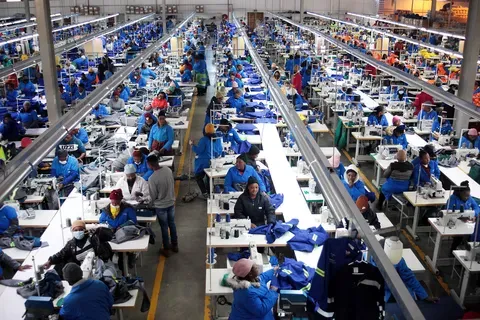
The same survey in Lesotho found similar patterns. Lesotho also attracts many migrant women to work in textile and apparel manufacturing; among those factory workers, HIV prevalence levels rise above 40%.
UNAIDS estimates that if the U.S. government ends all funding for PEPFAR-supported treatment and prevention programs, 6.6 million preventable new infections, and 4.2 million preventable AIDS-related deaths will occur by 2029. There’s no breakout of the impact on Eswatini and Lesotho, but they surely will be disproportionately affected.
OVER THE YEARS, Eswatini and Lesotho each have received just shy of $1 billion from PEPFAR, including about $70 million in 2024. Roughly 60% of that money has come through USAID. The remainder is disbursed by the U.S. Centers for Disease Control and Prevention (CDC) and the Department of Defense, both of which are slated to continue supporting some programs in Lesotho and Eswatini through September.
Just how much U.S. money is still flowing into the countries is not entirely clear. But since the cuts began on 29 January, their impacts have been unmistakable. Staff supported by the groups providing the aid—including EGPAF, ICAP, and the Baylor Foundation—had to stop their work immediately, then were given 2-week waivers because the program was deemed to do “lifesaving” work. A few weeks later, the flow of money was shut off for good. Why the waivers didn’t last was never made clear.
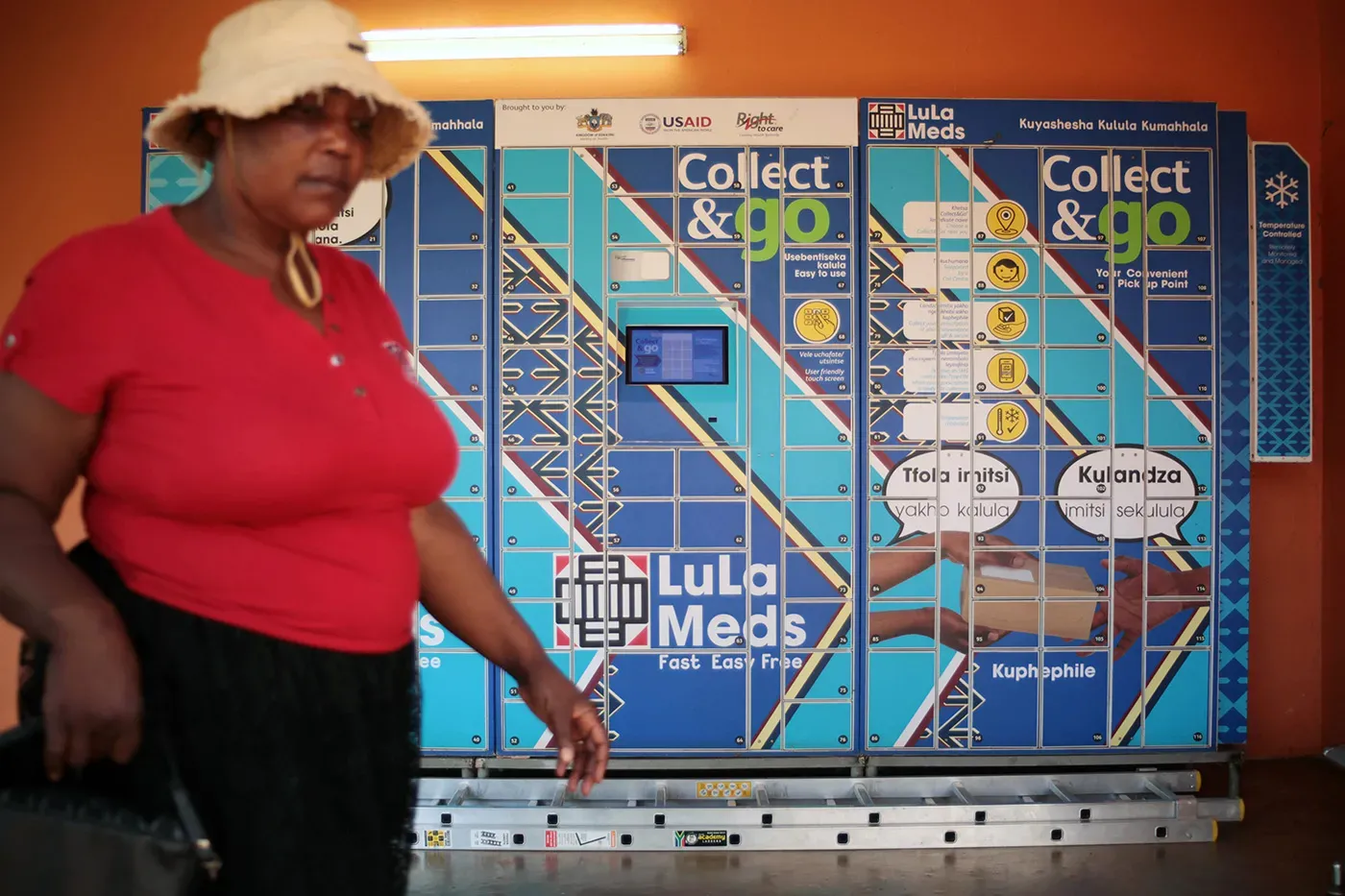
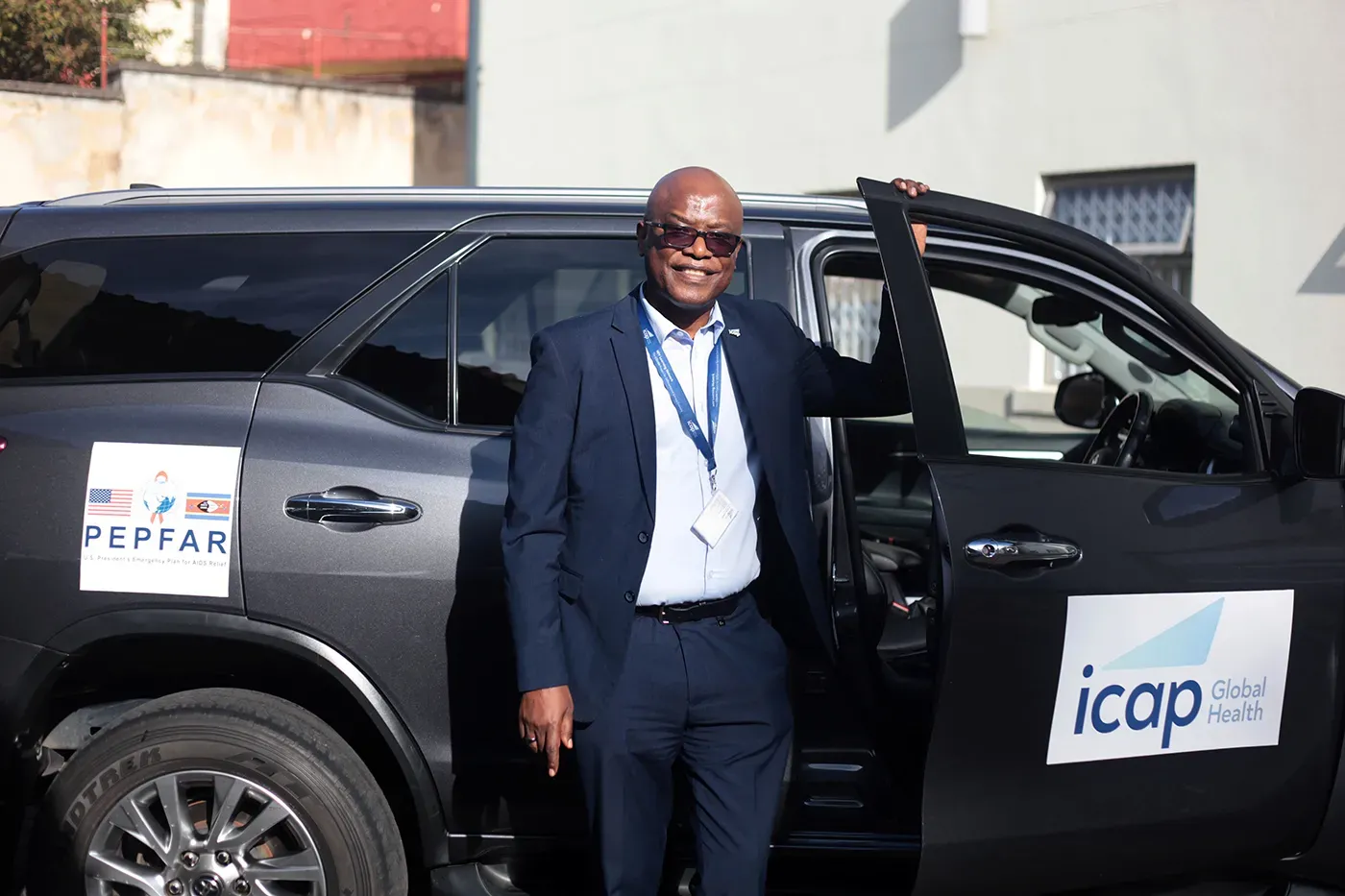
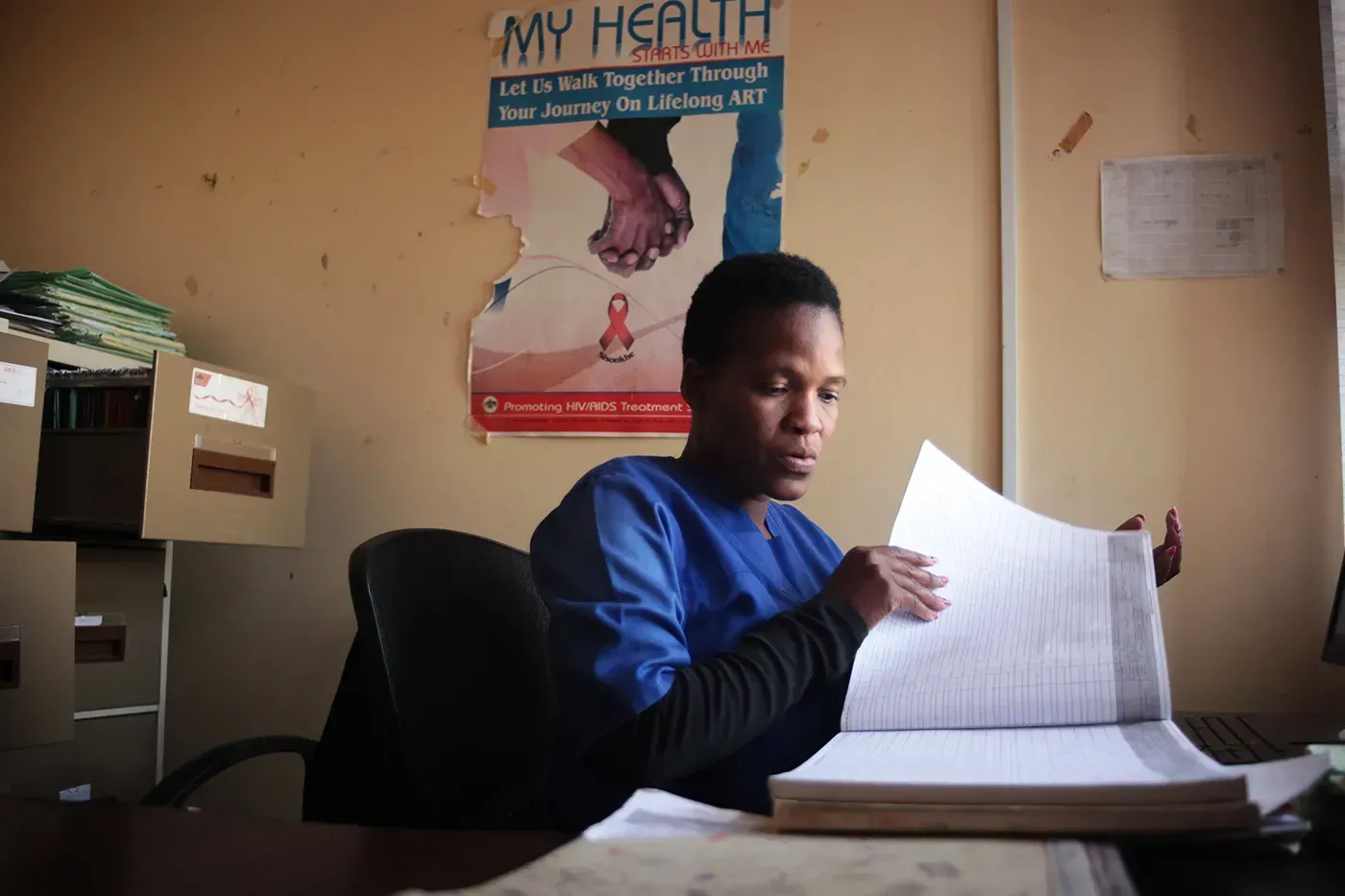
Soon, problems in both countries began to cascade. Fleets of SUVs with PEPFAR logos sat idle in parking lots. Implementing partners laid off most staff and no longer had funds to pay for health care workers at clinics and hospitals, leaving many unemployed and scrambling to support their own families. The governments have rehired some people, but staff shortages are the norm. ARVs remain available but getting them has become increasingly complicated. Outreach workers have cut back on contacting patients who do not show up to refill their medications.
Plans to apply a recent research breakthrough in PrEP are in peril as well. Although studies have clearly demonstrated that taking anti-HIV pills each day can prevent infection, trials of PrEP in teenage girls and young women in sub-Saharan Africa have failed to show a benefit. For complex social and cultural reasons that discourage them from taking a pill—stigma about being promiscuous, partners who resent being distrusted—daily PrEP has failed to work for them. A new injectable PrEP drug called lenacapavir that lasts for 6 months, which Science deemed the Breakthrough of the Year in 2024, likely will come to market in June. In December 2024, PEPFAR, in conjunction with the Global Fund to Fight AIDS, Tuberculosis, and Malaria, pledged to provide 2 million doses of injectable lenacapavir over the next 3 years. Now that pledge has a question mark.
PEPFAR began as an emergency program—a stopgap to prevent millions from dying. Most recipient countries were expected to transition to take over all costs by 2030. Officials in Eswatini and Lesotho have pledged to devote more of their own funding and to find less expensive ways to replace PEPFAR’s often gold-plated programs. What shocked them was how abruptly the United States abandoned them—by “feeding USAID into the woodchipper,” as Elon Musk said. “We are grossly disappointed,” says Tapiwa Tarumbiswa, who heads the HIV/AIDS program for the Lesotho Ministry of Health. “We feel left alone, like sort your own problem.”
Trump added insult to injury in his 4 March speech to a joint session of the U.S. Congress, when he said Lesotho was “a country nobody has ever heard of” and made the false claim it received $8 million in U.S. funding to “promote LGBTQI+.”
Tarumbiswa says he “totally understands” that the Trump administration wants his country to take care of its own people, but Lesotho needs more time. The radical policy shift, he says, “is a huge turnaround from what we know the U.S. government to be.”
Lesotho’s health minister, Selibe Mochoboroane, would have preferred a “proper transition” as well but says aid recipients have to accept that new administrations change policies. “It is a wake-up call,” Mochoboroane says. “As African leaders, we need to live within our means.”
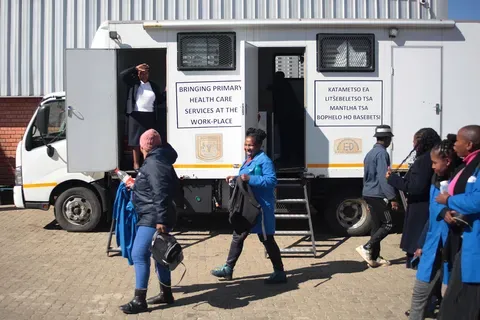
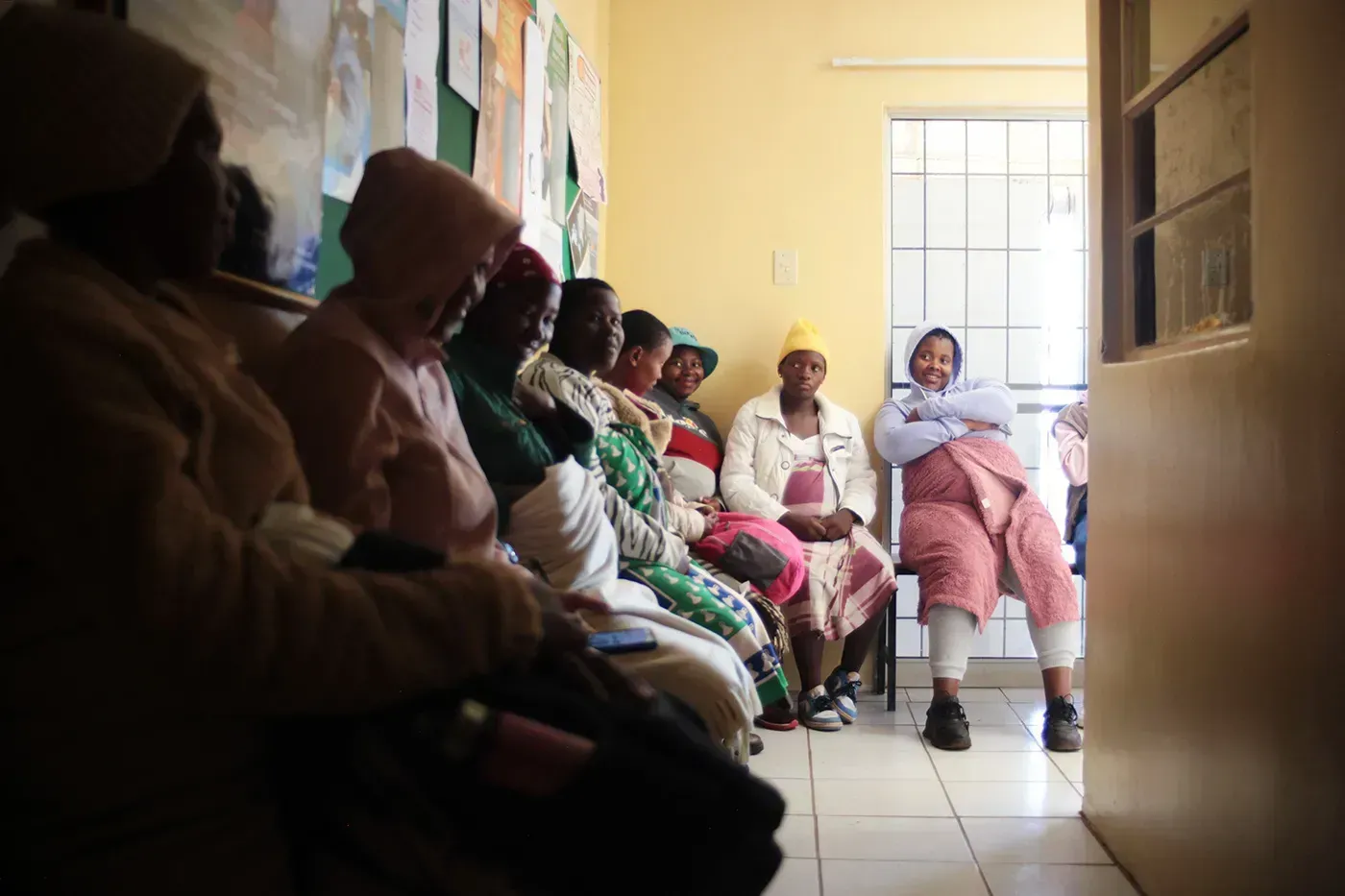
It’s too soon to see sharp increases in new infections, disease, and death from HIV/AIDS. But that is the likely result, health workers say. Many people are already going untested and untreated. Some on treatment have stopped taking their ARVs, and the number of “expert clients”—people living with HIV whom PEPFAR-funded to counsel their peers—has steeply declined. Short-staffed clinics are expecting to see more burnout and more patients walking away because it takes too long to receive care and treatment. Prevention services are set to dwindle.
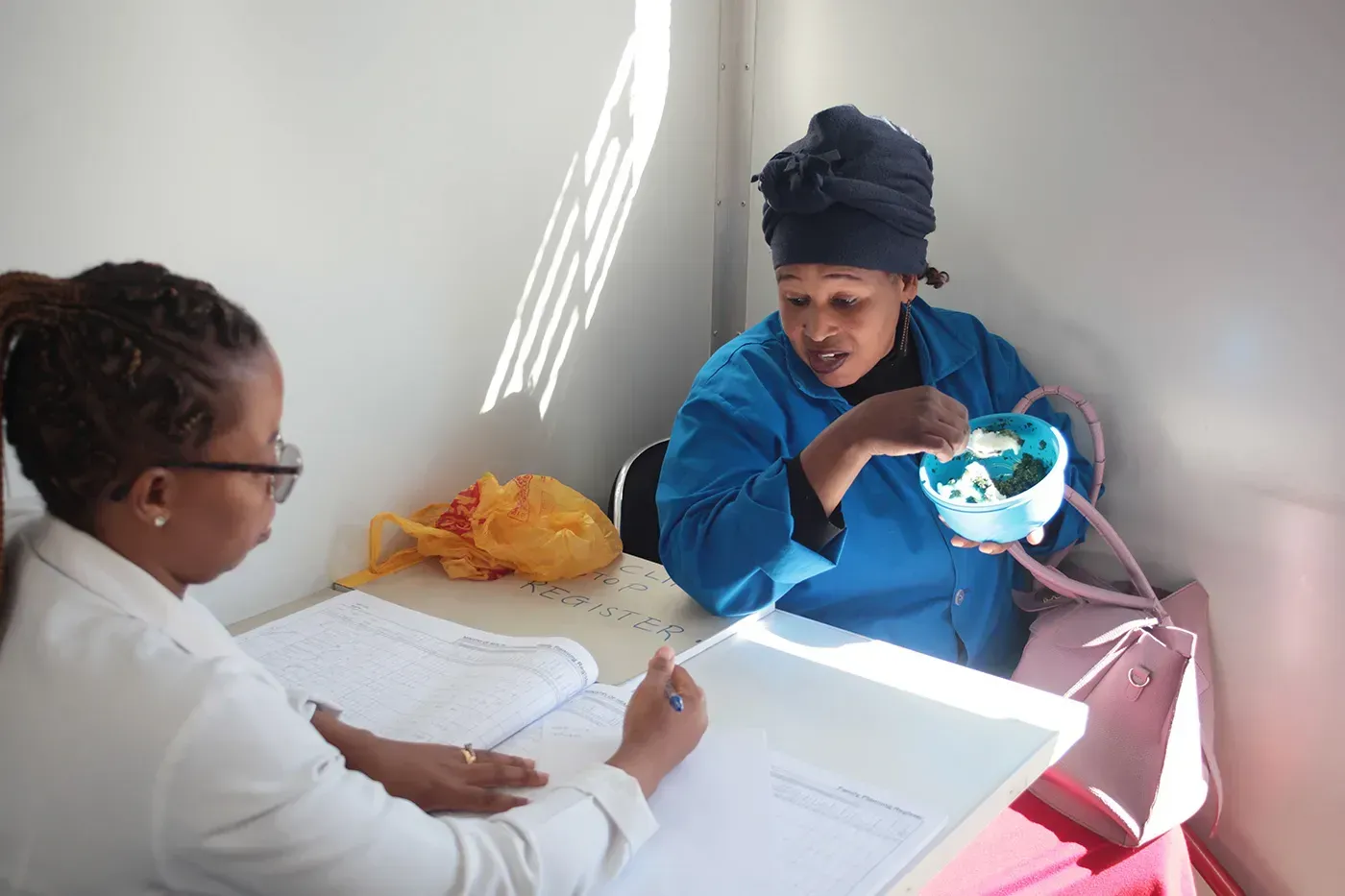
Because efforts to collect and analyze data from clinics are also faltering, the impact may be difficult to see. “We may never know unless somebody else funds that assessment at some point,” says Lephosa Likobe, a clinician in Lesotho’s capital. Maseru, who works for EGPAF, continues to receive some PEPFAR funding through CDC.
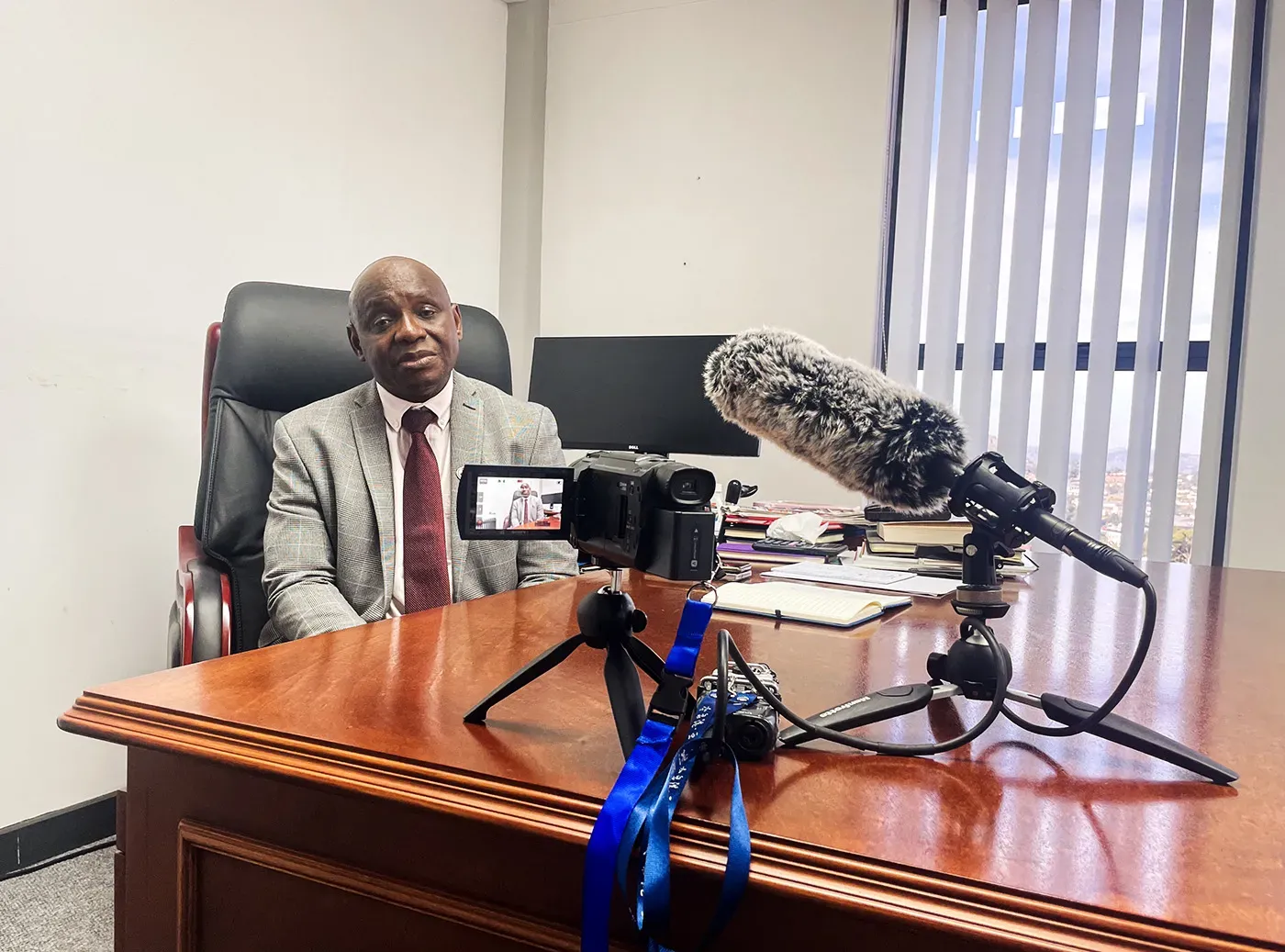
“Now we don’t even wait until Sunday to pray,” says Simon Morebotsane, another EGPAF doctor.
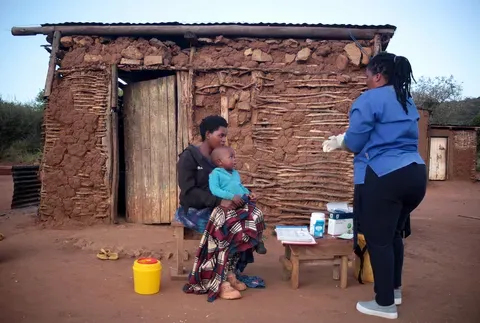
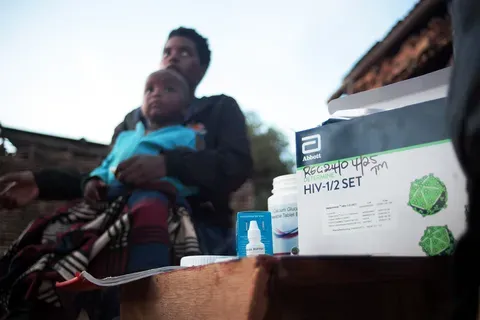
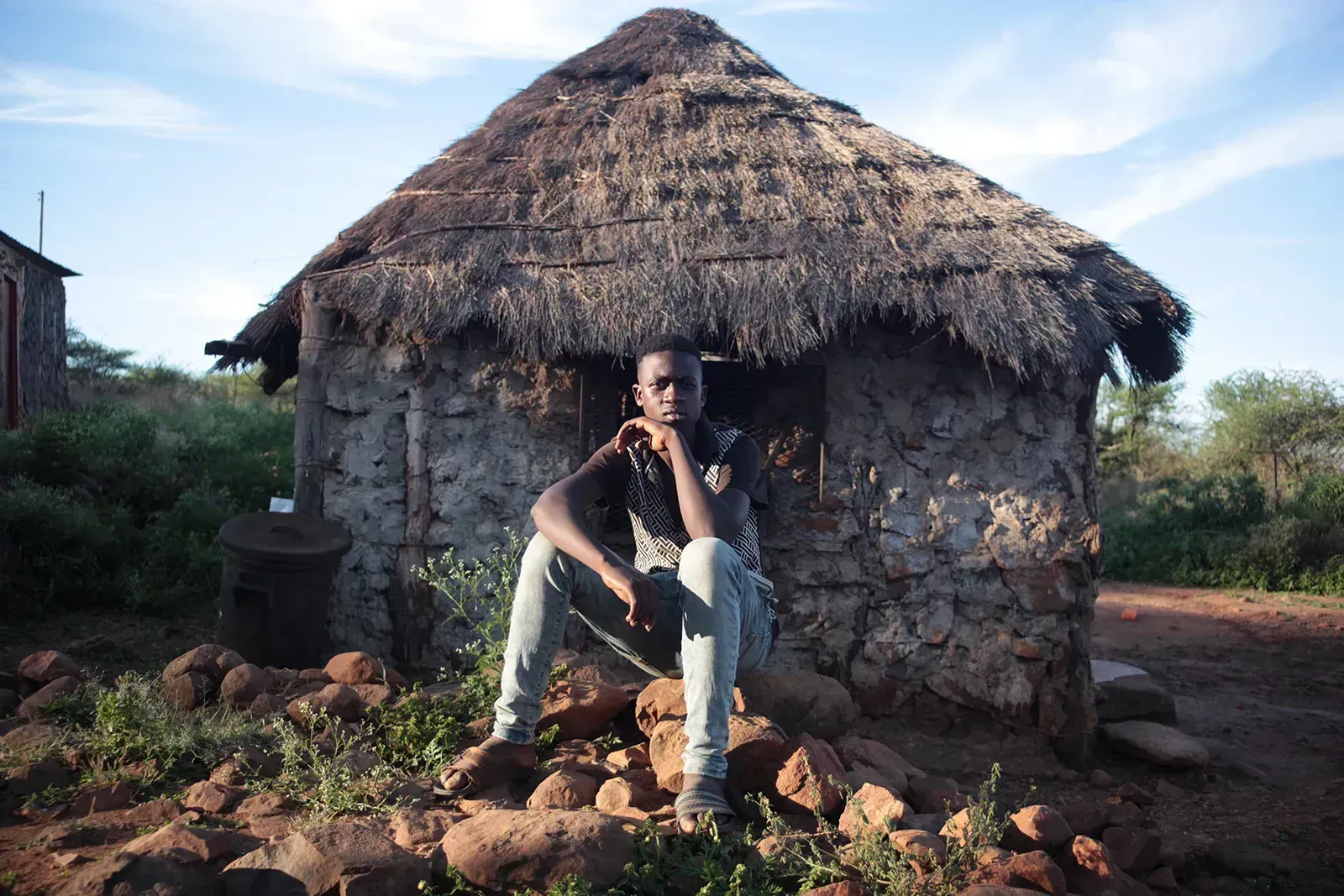
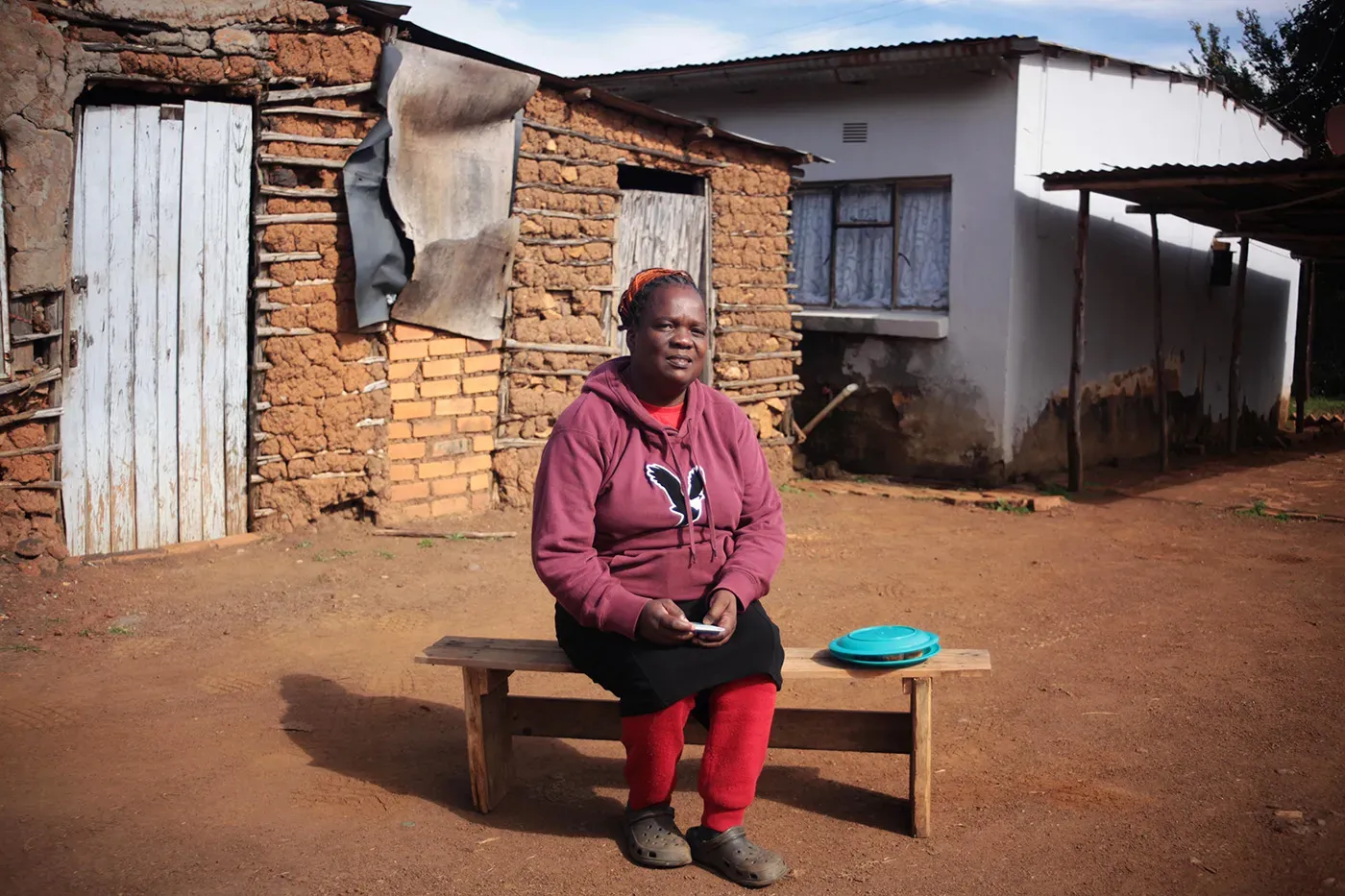
Gcebile Shongwe, a health worker, came to Temalangeni Dlamini’s house in the Shiselweni region of Eswatini to test her children and others living at the homestead for HIV after Dlamini, 8 months pregnant, tested positive. The Shiselweni and Manzini health districts—two out of four in the country—no longer have money for home visits to do contact tracing. Images by Oupa Nkosi.
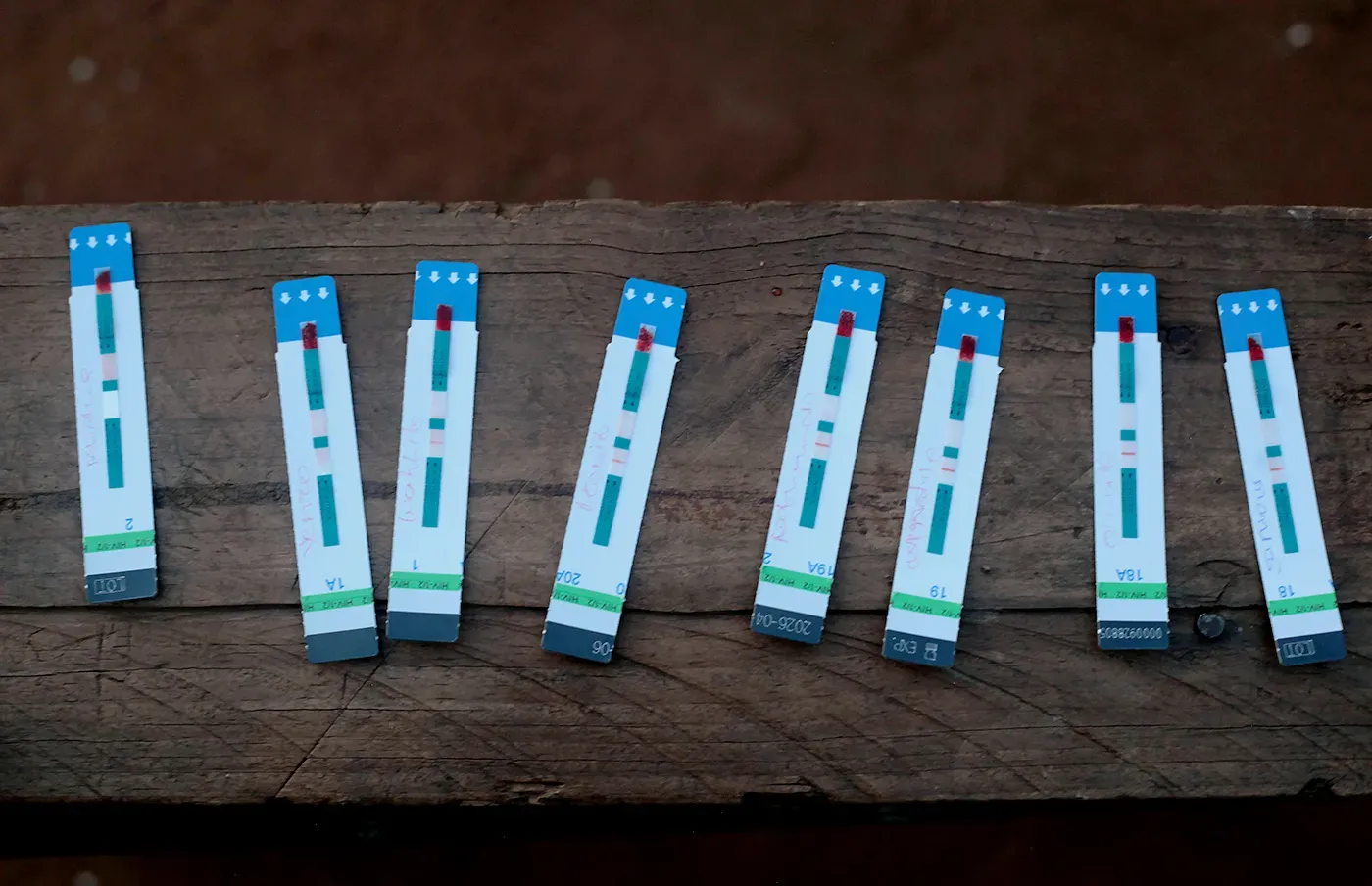
In the midst of the gloom, Dlamini’s family, at least, enjoyed some good news. The day after she learned she was infected, Science offered to transport Shongwe, the clinic worker, the 10 kilometers to the homestead where Dlamini and some of her relatives live in wattle houses. Shongwe tested eight children, pricking their fingers and putting drops of blood on paper strips.
All eight tested negative.