

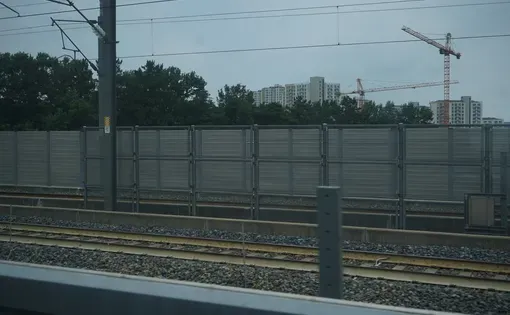
Many North Korean women who migrate face dangers, surveillance, and a second escape.
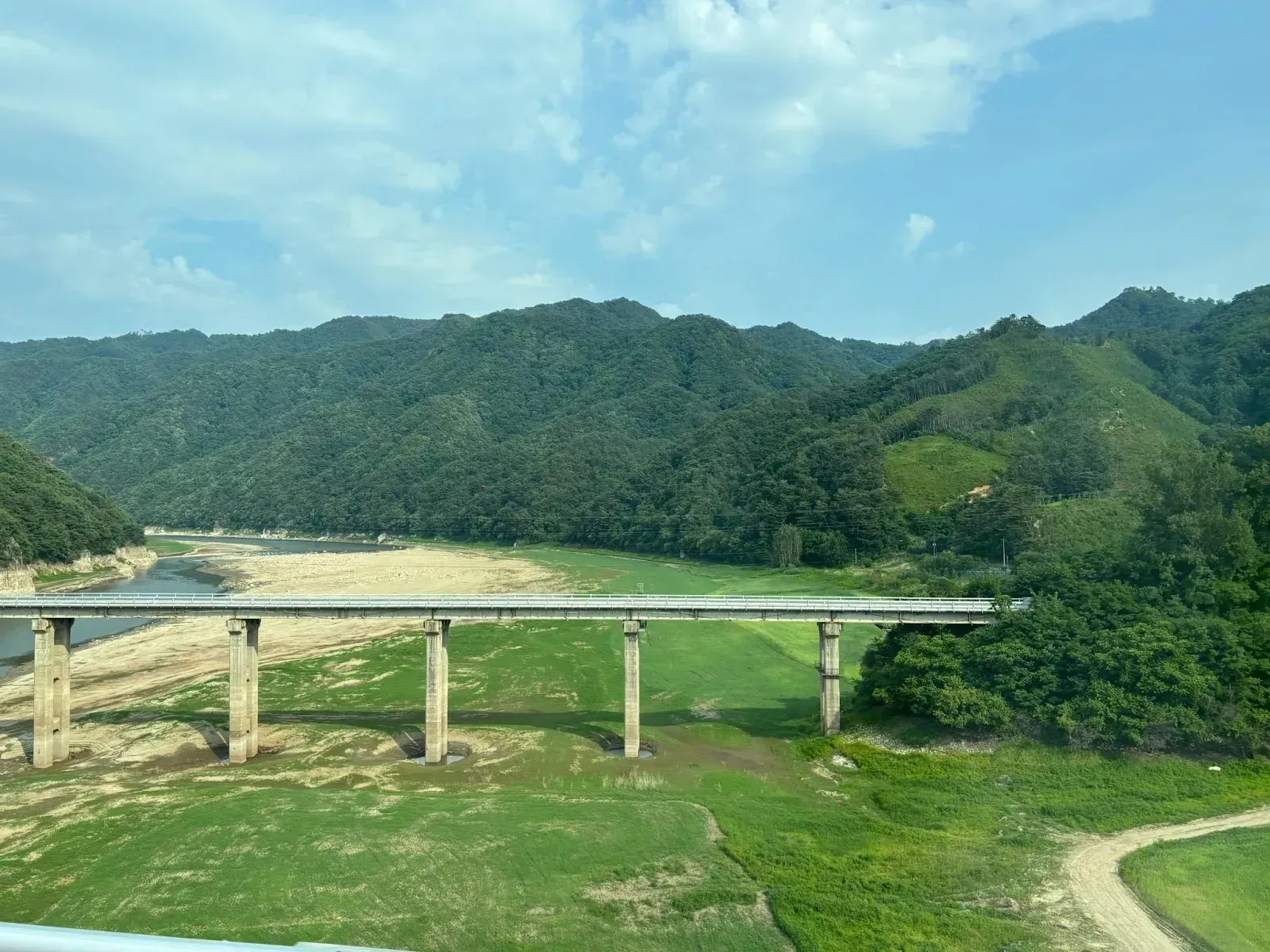
The journeys for North Korean migrant women are more than escape—they carry memories of family, loss, and resilience, carving new lives while facing separation, violence, and the risk of repatriation.
On my way back from each of my interviews with North Korean women who had migrated, I would watch the fields and mountains blur pass the train window. Looking out, I pondered upon the conversations and reflected on how much I had taken for granted: to move freely, to call my family whenever I wanted to, and to live a life without danger.
As a nonprofit journalism organization, we depend on your support to fund more than 170 reporting projects every year on critical global and local issues. Donate any amount today to become a Pulitzer Center Champion and receive exclusive benefits!
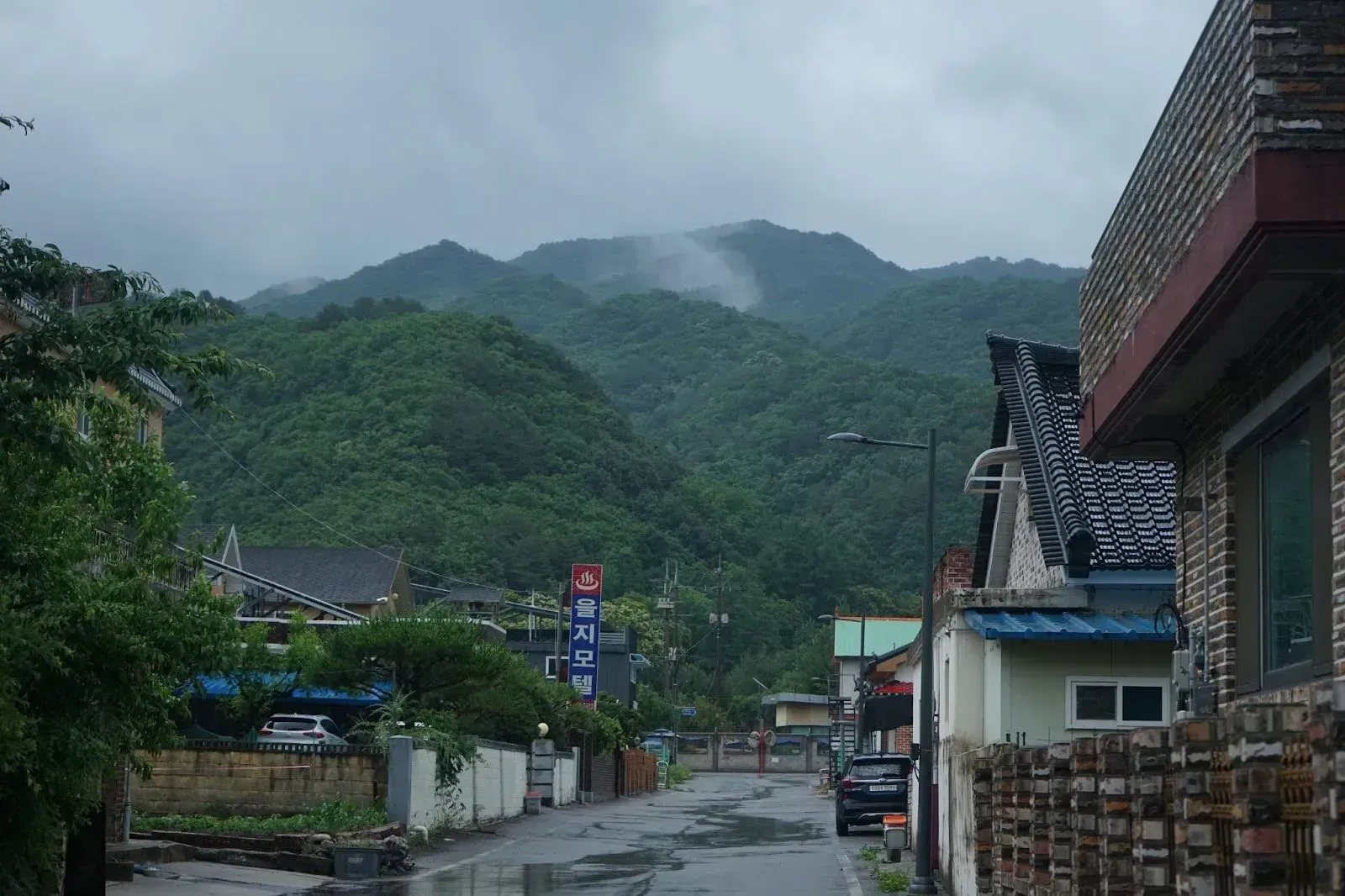
I also visited Seo-Hwa, the South Korean village closest to North Korea, in Gangwon province. The village was part of North Korea before the Korean War.
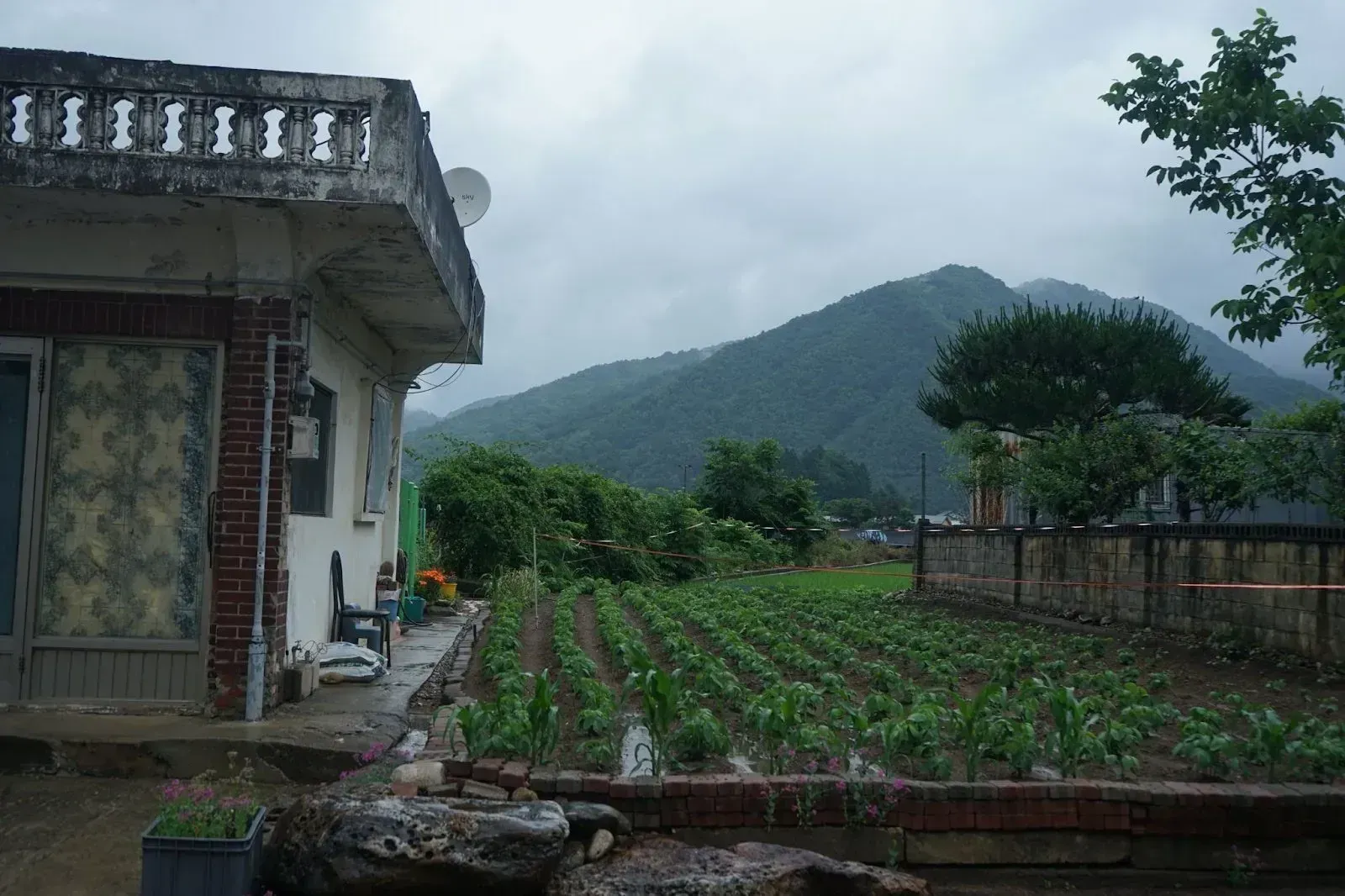
When I first entered the small village, a grandmother greeted me in front of her house. She's 96 years old—believed to be the oldest in the village—and was born in North Korea. During the war, her family was separated across the mountain.
The first question I got asked was, “Are you from North Korea?”
She had been waiting for someone who came from the North, someone who could tell her about her family and the current situation there.
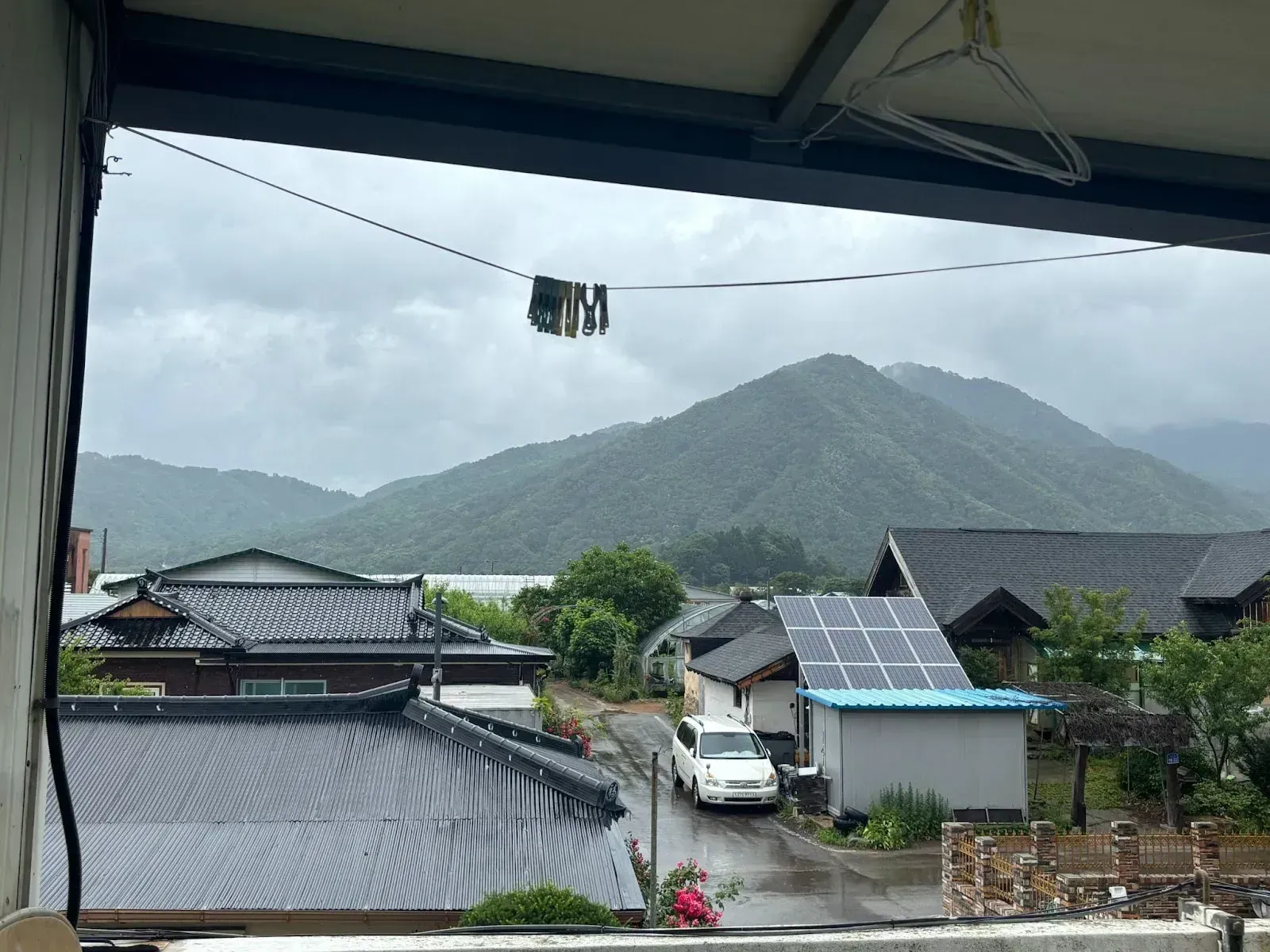
Speaking with her and other people in the village, I felt a deep sense of family separation and how much it lingers in one’s life. It's always there; it's never gone. Whenever people bring up North Korea or family stories, they are reminded of their loved ones on the other side of the mountain.
The woman's house is called chinjung-jip (친정집). It means “parents’ house,” for migrant women who could never go back to their parents’ homes in the North. Every summer, many North Korean women visit the home, sharing old stories and sorrows, finding comfort.
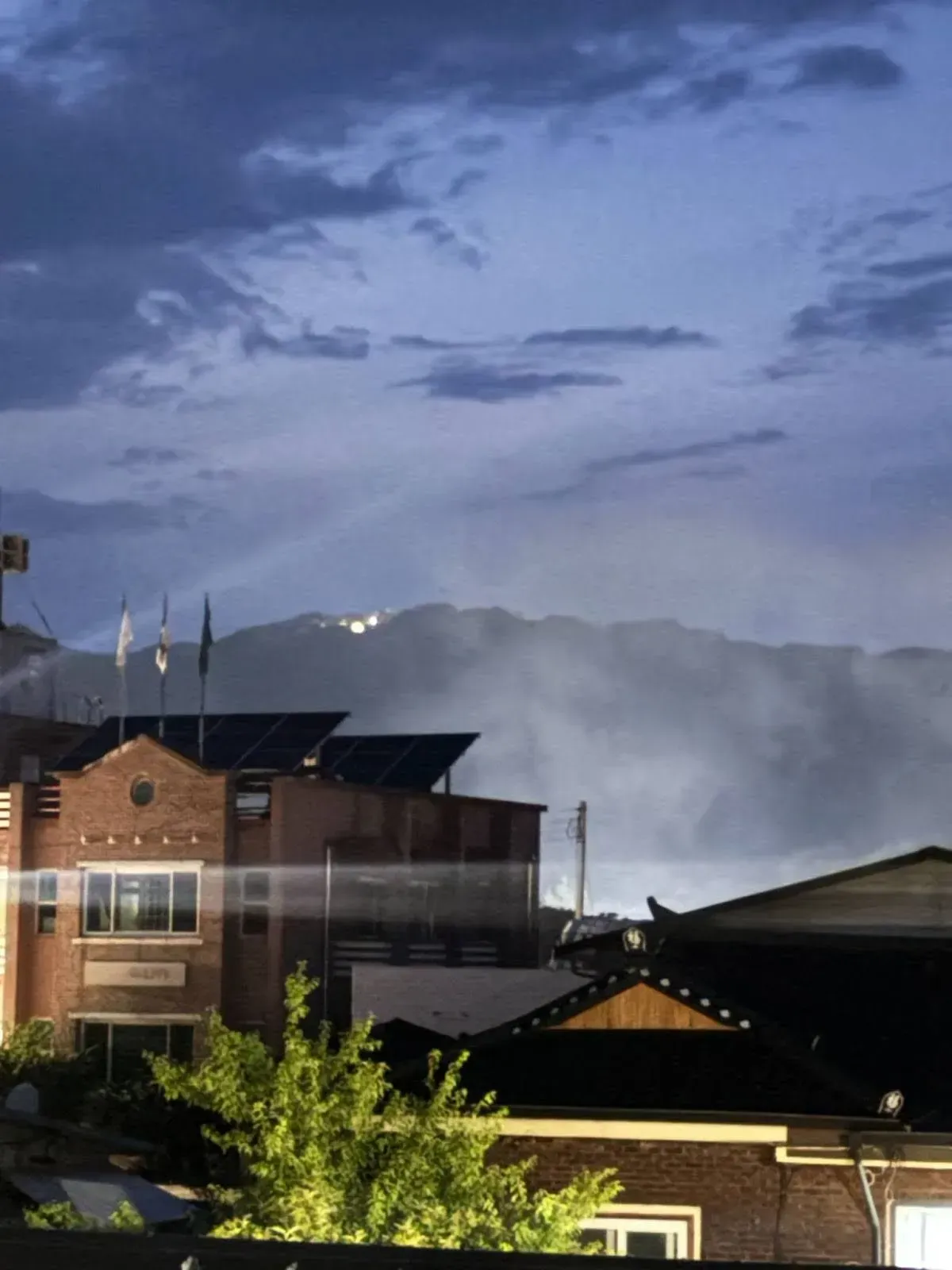
That night, her daughter took me to the rooftop, where we could see the stars, mountain-scapes, and North Korean border patrols dimly lit on the mountain ridges. It felt so close, yet so far away, and I couldn’t imagine looking at mountains where no one could climb, looking at homes people could not return to.
I also came to know Seo-Youn Jung, a mental health counselor for North Korean defectors. She accompanied me during the interviews for my reporting, and she helped the migrant women relax when they felt agitated or nervous. Over time, I learned more about her, too.
Jung is in her early 30s but had already escaped death multiple times. Her life and journey included things I had never imagined: a fight with a Chinese merchant that left a knife scar on her forearm, detention centers for watching Korean dramas and experiencing torture and assaults. She also tried to bring her mother and brother to South Korea through a broker, but that process ultimately failed.
She shared nostalgic, good memories from her life: a children’s song sung with her friends during a traditional game, loving parents who always brought her the freshest food they could find, a little brother who followed her dearly, and long days spent in the mountains looking for wild berries.
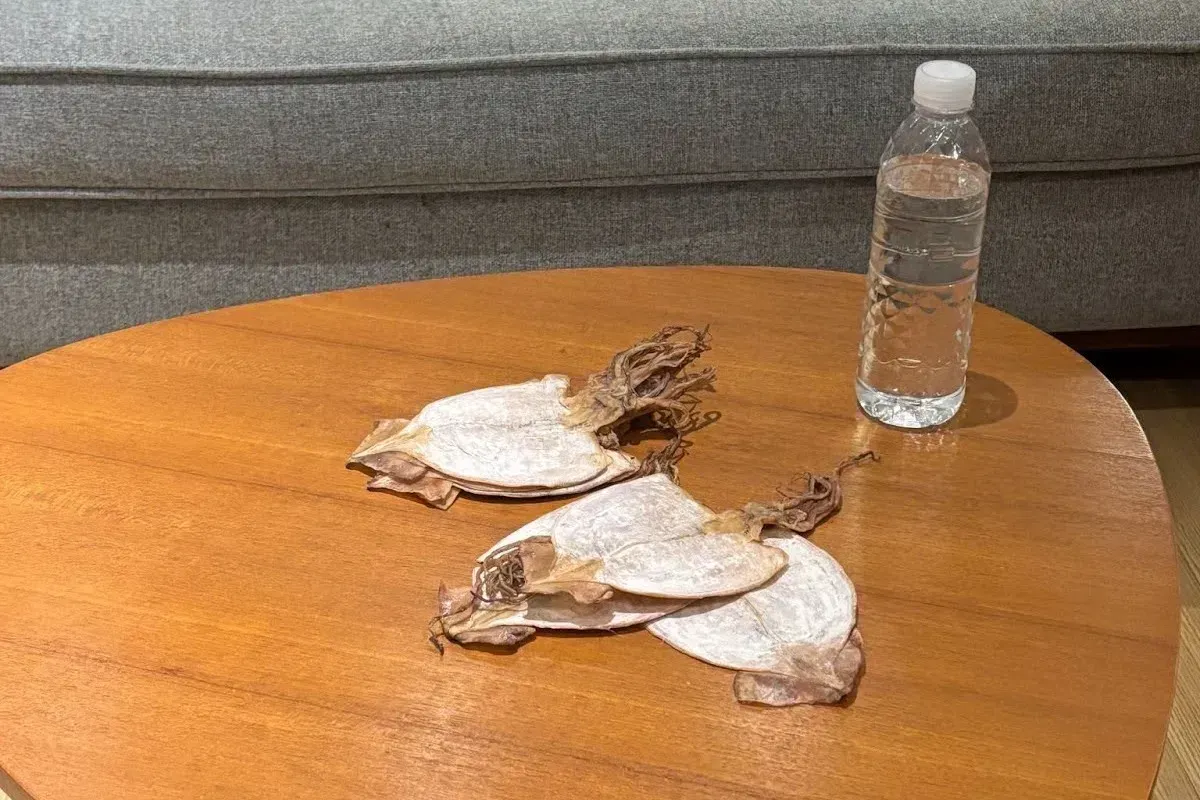
I learned that the migration journeys alone do not define these women. They are much more than their journeys. These were just parts of their lives, and I realized I was trying to put them into too small a frame.
These women—beyond being North Korean defectors—are children of loving families, brave and resilient human beings, mothers and pioneers who carved their own paths from scratch.
I believe this project is only the beginning of sharing their voices. It does not capture everything, but it is a step toward telling the fullness of their lives.